Bedroom Paint Colors: 15 Best Shades for a Calm and Stylish Space
Introduction
Choosing the right bedroom paint colors can change the entire mood of a room without requiring a major renovation. Color affects how spacious, warm, restful, or dramatic a bedroom feels, so the best shade depends on more than personal taste. Natural light, room size, furniture finishes, flooring, and the atmosphere you want to create all matter. Soft neutrals can make a bedroom feel peaceful, while deeper tones can add character and a sense of comfort. In this guide, you’ll find 15 versatile bedroom paint colors, organized by the kind of mood and style they can create. Whether you prefer a bright modern bedroom, a cozy retreat, or a sophisticated space, these ideas can help you narrow down your options.
- Soft White and Warm Ivory for an Airy Bedroom
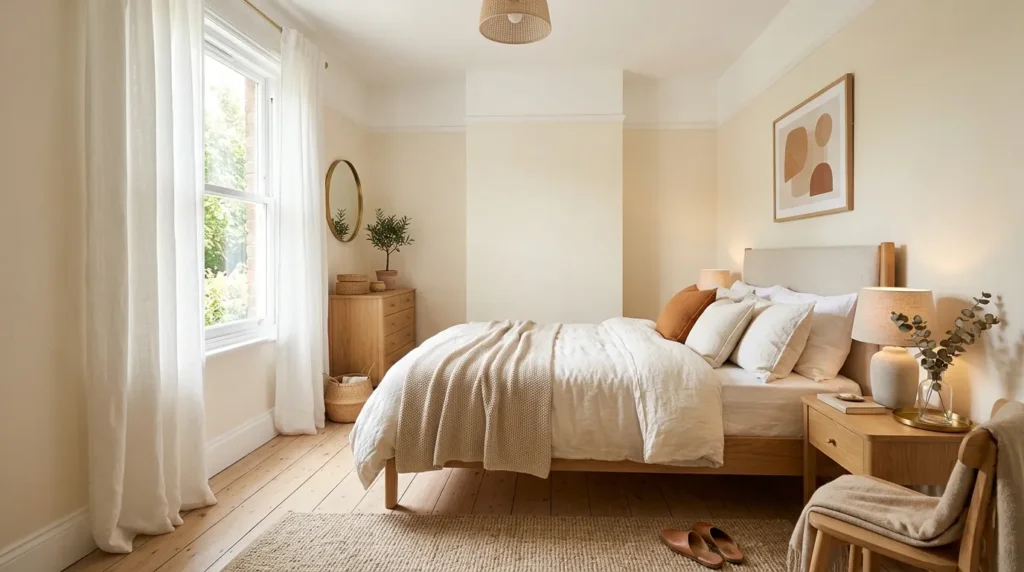
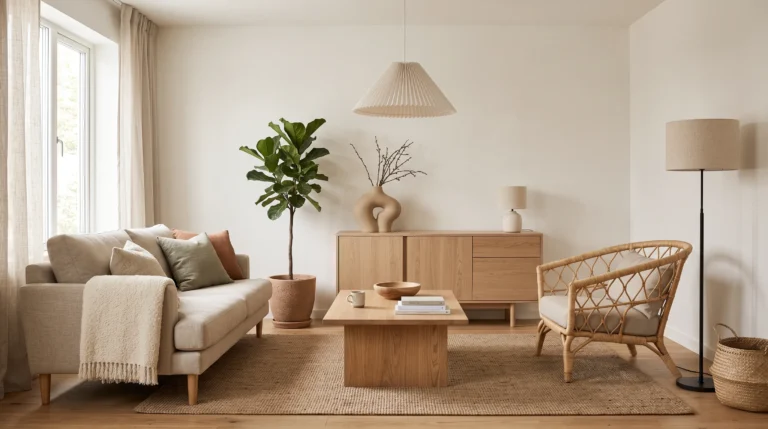
White remains one of the most flexible bedroom paint colors because it reflects light and works with almost any decorating style. A soft white such as Cloud White creates a clean, open backdrop without feeling overly stark. It works especially well in smaller bedrooms or rooms with limited natural light. Warm ivory is another option when you want the brightness of white with a gentler, more relaxed appearance. Pair either shade with natural wood, beige textiles, or soft gray bedding for a simple bedroom that feels fresh rather than clinical.
- Beige and Greige for a Cozy Neutral Look
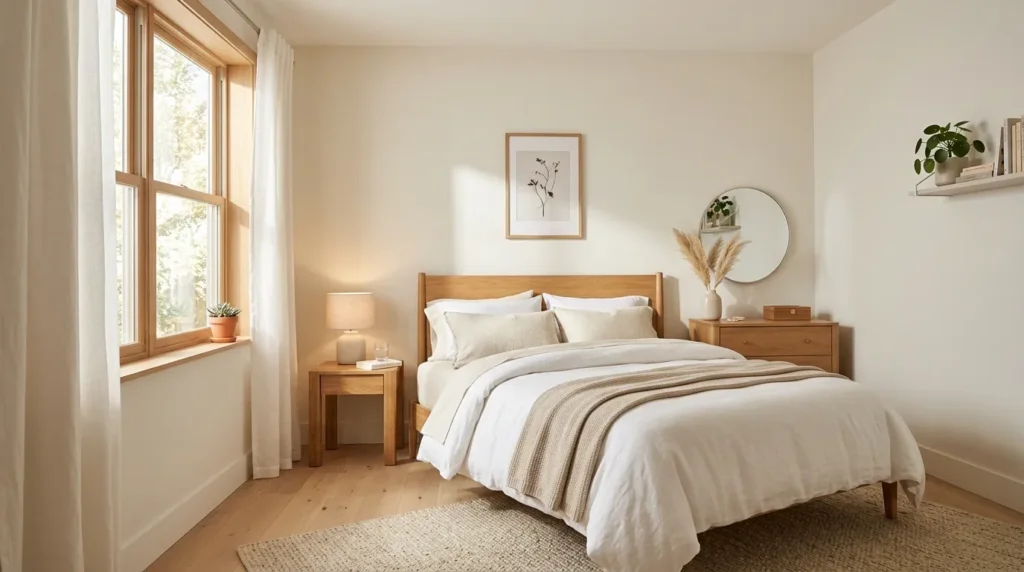
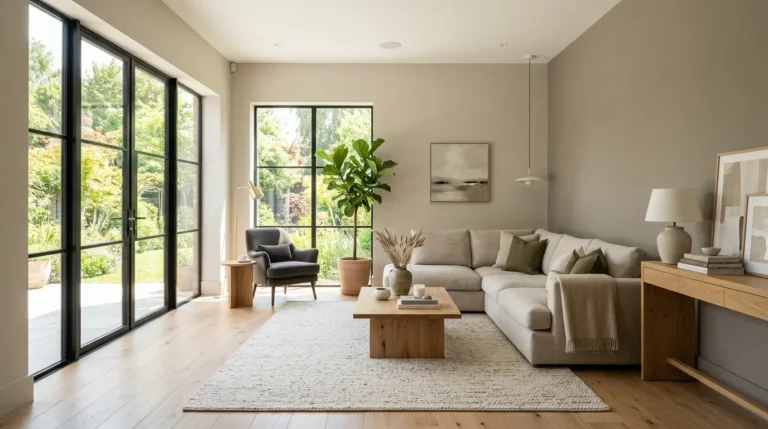
Beige is a reliable choice for bedrooms where warmth and comfort are the priorities. A light sand beige can make walls feel welcoming and pairs naturally with cream, brown, brass, and wood tones. Greige, a blend of gray and beige, offers a more contemporary alternative. It can balance cool and warm elements in the room and works particularly well when your furniture includes both black and natural finishes. These shades are useful when you want bedroom paint colors that will remain adaptable as bedding, curtains, and accessories change.
- Pale Blue and Dusty Blue for a Relaxing Atmosphere
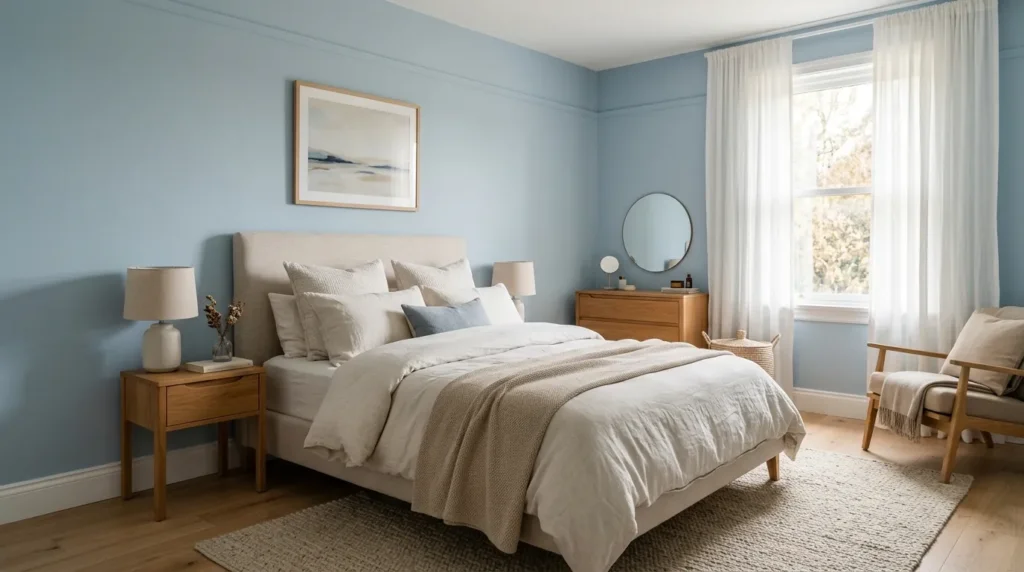
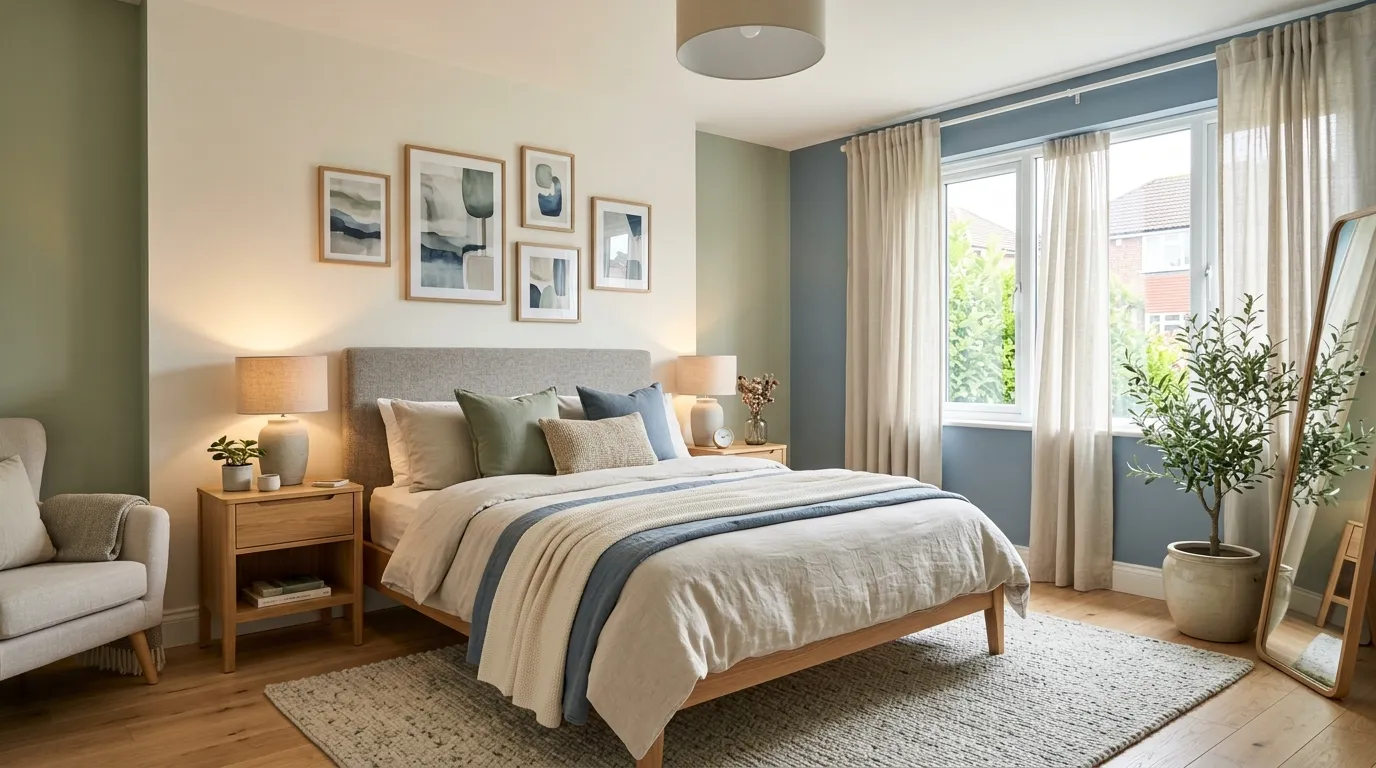
Blue is often associated with calm, making softer blue shades a natural fit for bedrooms. Pale blue gives walls a light, airy appearance and can work beautifully with white trim and light-colored furniture. Dusty blue is slightly deeper and more muted, giving the room additional character while retaining a restful quality. For a balanced look, combine blue walls with warm wood, off-white bedding, or muted beige accents. Avoid choosing an extremely saturated blue if your goal is a quiet, understated bedroom.
- Sage Green and Soft Olive for a Natural Feel
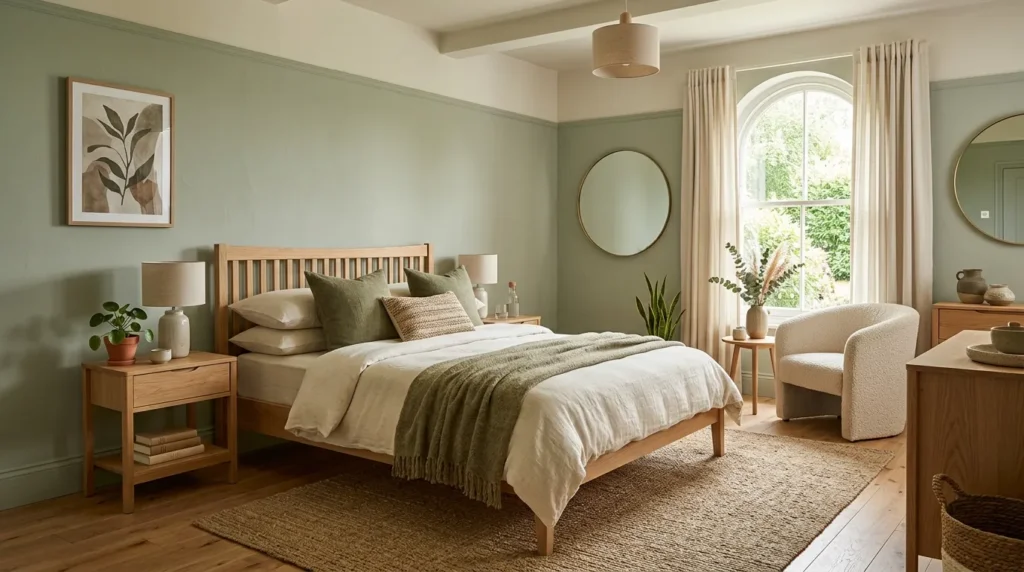
Sage green brings a subtle connection to nature and has become a popular direction for calm interiors. Its muted appearance makes it easier to live with than a bright green and allows it to complement both traditional and modern furniture. Soft olive provides a deeper alternative with more visual weight. It can make a larger bedroom feel grounded and sophisticated, particularly when paired with cream fabrics and natural materials. If your room already contains plants, wood furniture, or woven textures, these green bedroom paint colors can help create a cohesive palette.
- Blush, Dusty Rose, and Muted Mauve for Gentle Color
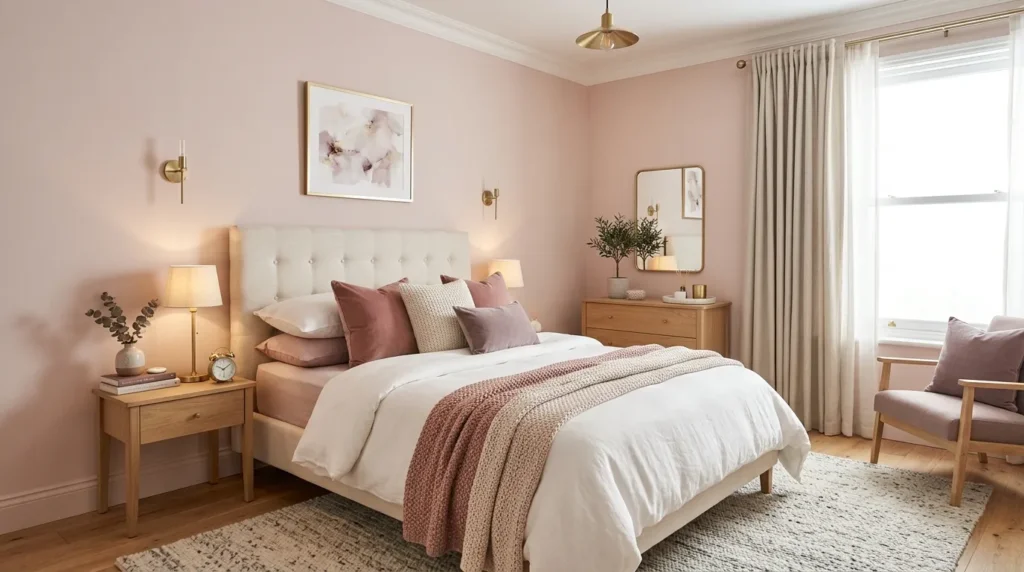
Bedrooms do not have to rely on traditional neutrals to feel relaxing. Blush is a soft option that adds warmth without overwhelming the room, especially when used with white or cream. Dusty rose offers a slightly richer version with a more mature appearance, while muted mauve adds a subtle purple undertone for a more distinctive look. These shades can work with warm metals, light wood, charcoal accents, or neutral textiles. The key is choosing muted versions rather than highly saturated pinks if you want a sophisticated result.
- Light Gray and Charcoal for a Modern Bedroom
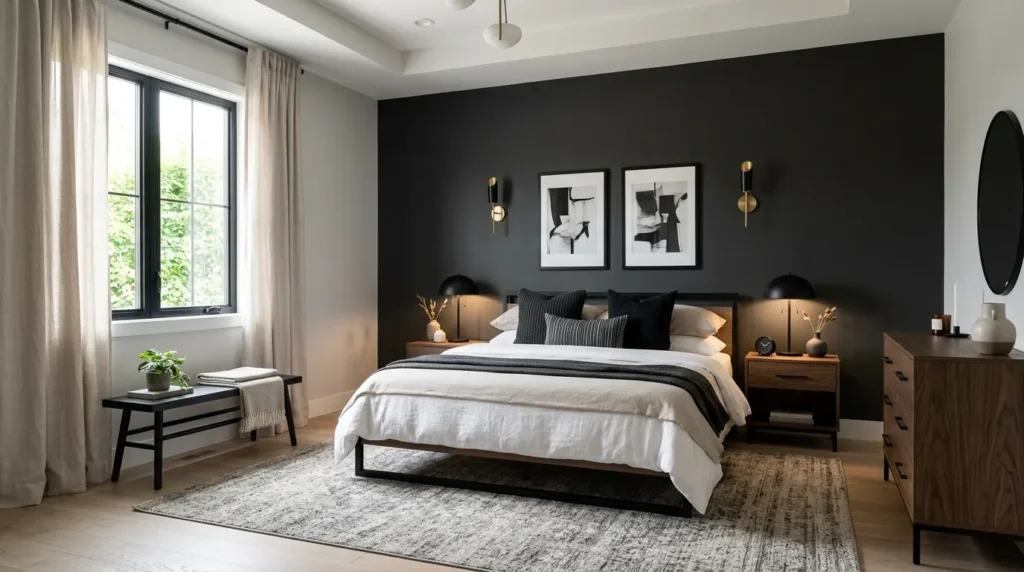
Light gray can create a clean, contemporary bedroom while remaining neutral enough to work with many color schemes. It is particularly effective with white trim, black accents, and cool-toned fabrics. Charcoal takes the idea in a darker direction and can create a dramatic, intimate atmosphere. Rather than painting every element in the room dark, balance charcoal walls with lighter bedding, curtains, or flooring. For bedrooms with plenty of daylight, deeper gray can add depth without making the room feel excessively heavy.
- Deep Navy and Warm Terracotta for Statement Walls
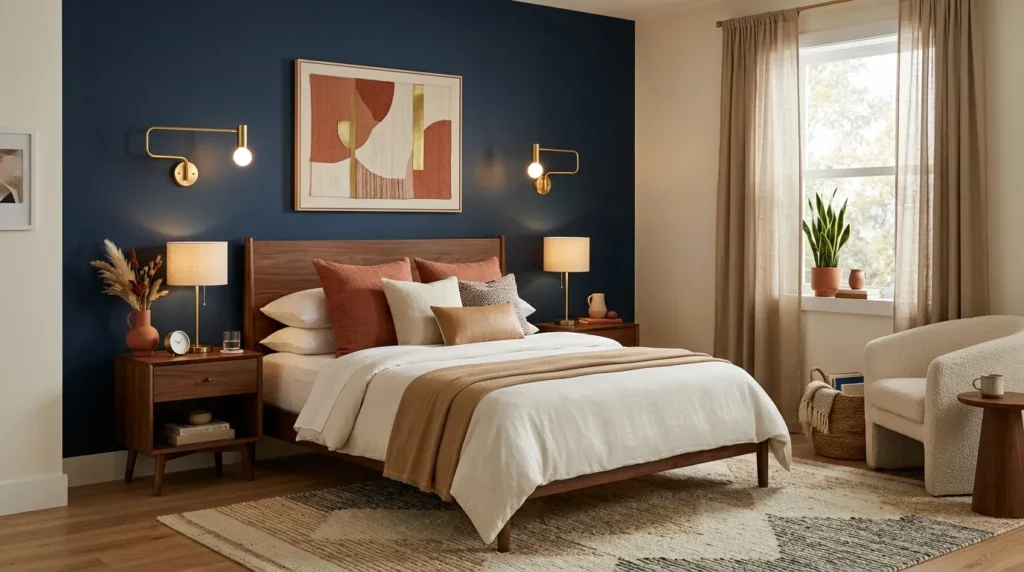
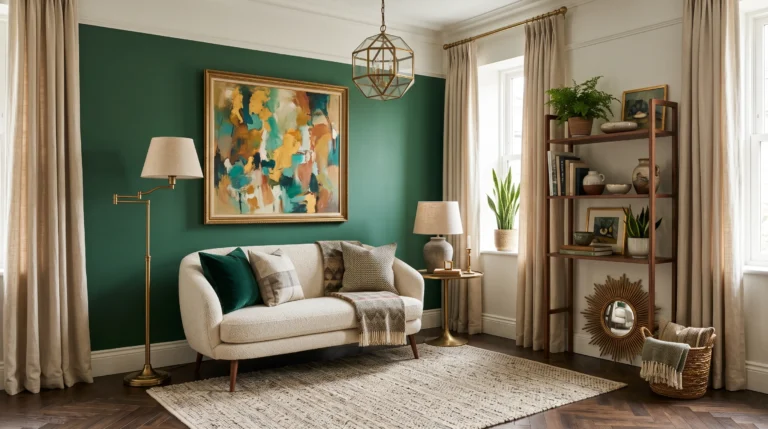
Some of the most memorable bedroom paint colors are deeper shades used strategically. Deep navy can create a sophisticated focal point behind a bed, especially when combined with white bedding, warm wood, or brass details. Warm terracotta brings an earthy, sun-baked character and works well with cream, tan, walnut, and other natural finishes. If you love stronger colors but are concerned about making the bedroom too dark, consider using one accent wall instead of applying the shade throughout the room. Before committing, test the paint at different times of day because deep colors can change noticeably under daylight and artificial lighting.
Bedroom Paint Color FAQs
What are the best bedroom paint colors for a relaxing room?
Soft blue, sage green, warm white, beige, and muted gray are versatile choices when you want a calm and comfortable bedroom.
What bedroom paint colors make a small room look bigger?
Light shades such as soft white, ivory, pale blue, light beige, and light gray can help a small bedroom feel brighter and more open by reflecting more light.
Should bedroom walls be light or dark?
Both can work. Light colors tend to create an airy appearance, while dark shades can add depth and coziness. Room size, natural light, and furniture should guide the choice.
What is a timeless bedroom paint color?
Warm white, soft beige, light gray, and muted blue are adaptable options that can remain appealing as furniture and décor change.
How do I choose the right bedroom paint color?
Look at the room’s natural and artificial lighting, flooring, furniture, and existing fabrics. Test sample patches on the wall before painting the entire room.
Create a Bedroom Palette That Feels Like You
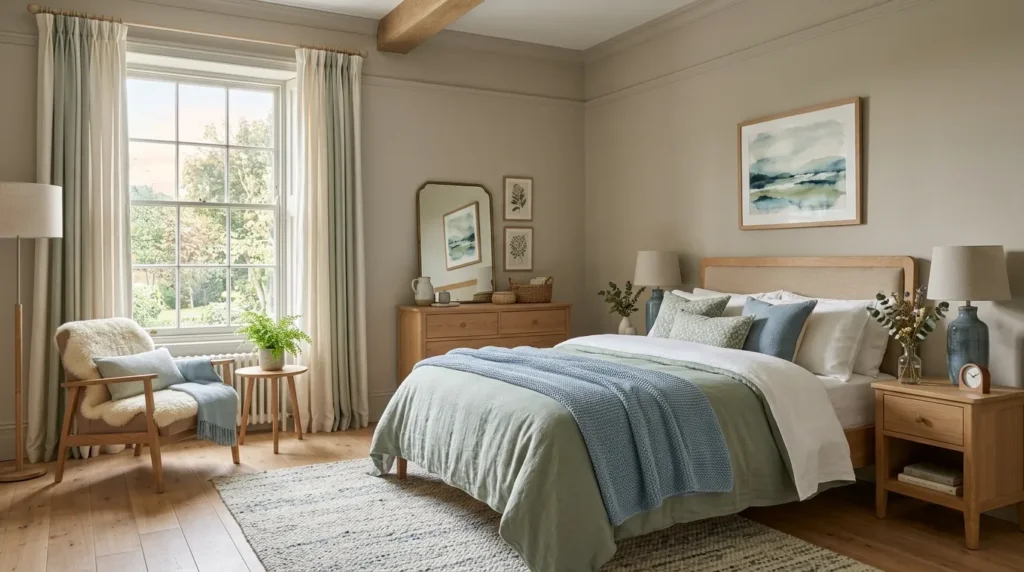
The best bedroom paint colors are not necessarily the trendiest ones; they are the shades that work with your room and support the atmosphere you want every day. Start by deciding whether you want the space to feel airy, warm, natural, modern, or dramatic. Then compare a few colors against your flooring, furniture, bedding, and the amount of natural light the room receives. Testing paint samples on the actual walls is one of the simplest ways to avoid surprises because color can look different in morning daylight, evening light, and artificial illumination. With the right shade and a balanced supporting palette, even a simple bedroom can feel more comfortable, polished, and intentionally designed.