Decorating Ideas for Lounge Room on a Modest Budget
A lounge room doesn’t need a big spend to feel put together. With a bit of planning and a focus on the details that actually matter, a modest budget can go a lot further than most people expect. These decorating ideas for lounge room spaces cover affordable swaps, smart shopping habits, and small styling tricks that make the room feel finished without draining your savings. The same core approach works for furnishing a brand new space or just refreshing one that’s felt a little tired for a while.
Many homeowners assume that a beautifully styled lounge room is only possible with a generous budget, but that assumption often holds people back from making any changes at all. Most professionally styled rooms actually rely on a handful of repeatable techniques rather than expensive one-off purchases, and those techniques apply at almost any price point.
Why a Modest Budget Can Still Deliver a Great Result
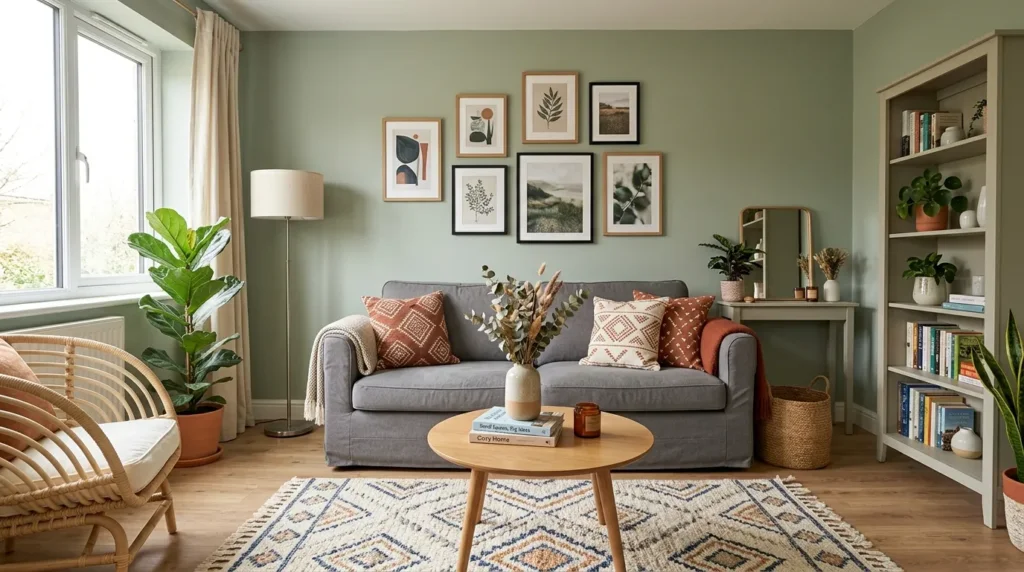
A common misconception is that a stylish room requires expensive furniture and original art. In reality, a lot of what makes a room feel put together comes down to thoughtful choices rather than big spending, things like color coordination, good lighting, and a few well placed accents. Spending less doesn’t have to mean the room looks cheap, it just means being more intentional about where the money actually goes.
A few reasons a modest budget can still work well:
- Small, well chosen accents often make more visual impact than one large expensive piece
- Secondhand and thrifted furniture frequently offers better quality than low cost new options
- A cohesive color palette pulls a room together regardless of how much each piece cost
- Prioritizing a few key items over filling every corner keeps spending focused
Keeping these principles in mind from the start makes budget decorating feel like a smart strategy rather than a compromise. Thinking of the process in stages, rather than completing the whole room in one trip, also gives more time to compare prices and avoid impulse buys that don’t fit the plan.
1. Start With a Cohesive Color Palette
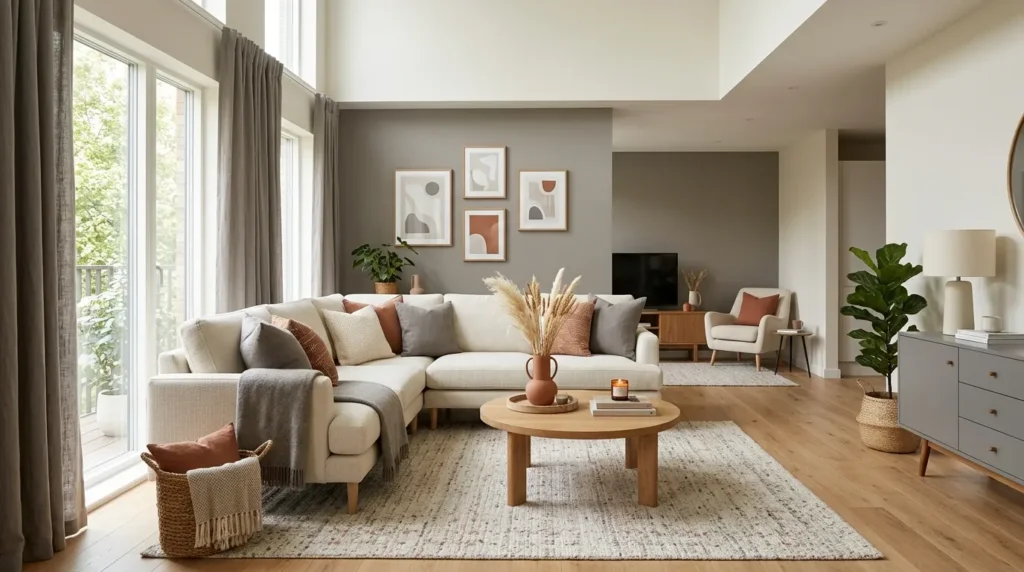
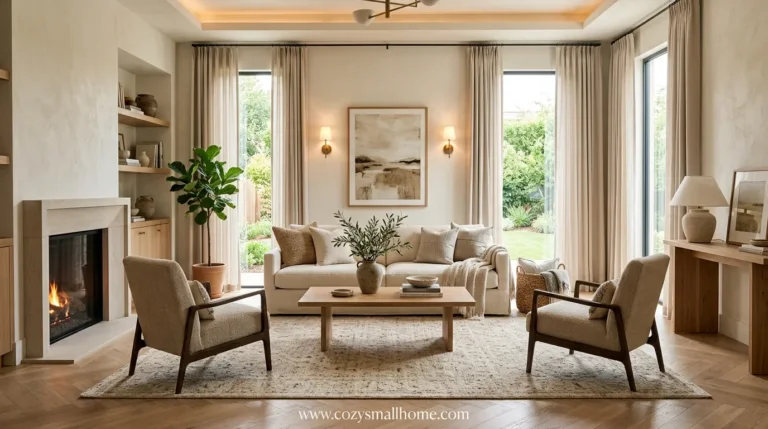
Picking two or three main colors before buying anything keeps every purchase working toward the same look, which prevents the room from feeling like a collection of mismatched items bought at different times. A simple neutral base with one or two accent colors is one of the most forgiving palettes to build around on a budget.
Once a palette is set, it becomes much easier to shop with confidence. A cream or soft gray base paired with a single accent tone, for example, means almost any secondhand find in a complementary shade will slot into the room without clashing. This also reduces the temptation to buy items that look nice individually but don’t actually belong together once they’re in the same space.
2. Shop Secondhand for the Big Pieces

Sofas, coffee tables, and armchairs are where most of a decorating budget usually goes. Secondhand marketplaces, thrift stores, and estate sales often carry well made furniture at a fraction of retail price, freeing up more of the budget for the smaller details that pull the room together.
Older secondhand furniture is frequently built with solid wood frames and better joinery than comparable new pieces sold at the same price point, which means it can outlast a cheaper new purchase even after accounting for a bit of wear. Checking joints, cushions, and upholstery condition before buying helps avoid pieces that need costly repairs.
3. Use Paint as the Biggest Budget Win

A can of paint costs relatively little compared to almost any other decorating change, yet it has one of the biggest visual impacts on a room. A fresh coat on the walls, or even just the trim, instantly makes a space feel updated and cared for.
Painting doesn’t have to mean committing to a bold new wall color either. Simply cleaning up scuffed baseboards, refreshing a dingy white ceiling, or repainting a single accent wall can deliver most of the visual benefit for a fraction of the time and material cost of repainting the entire room.
4. Layer in Affordable Textiles
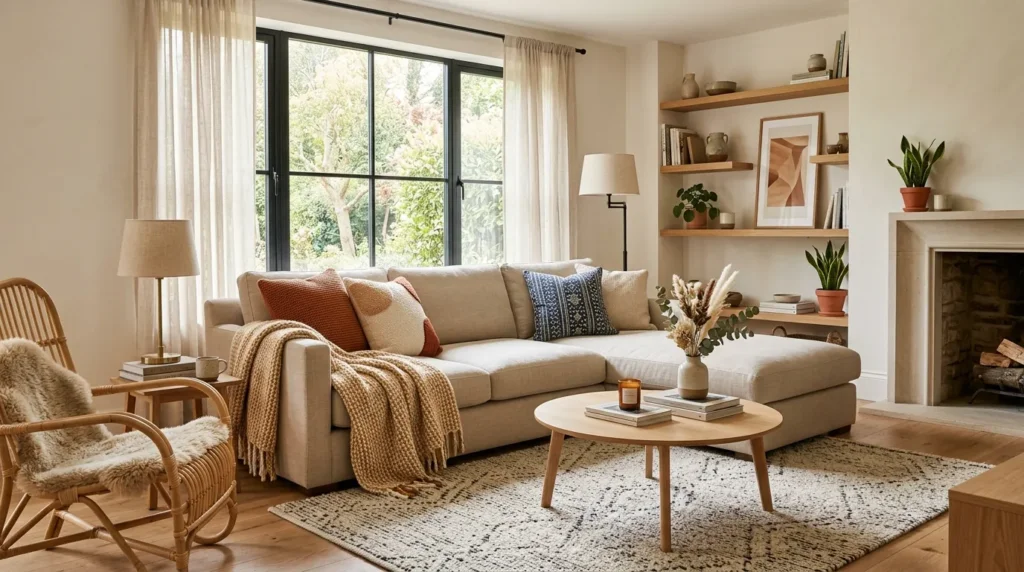
Throw pillows, a new rug, and a soft blanket change the entire feel of a room without touching the furniture underneath. A few pieces worth prioritizing:
- A medium sized rug to anchor the main seating area
- Two or three pillow covers in a color that ties the room together
- One textured throw blanket for the sofa or an accent chair
These smaller purchases add color and texture at a much lower cost than replacing furniture outright. Buying just the pillow covers rather than full pillows, and reusing existing inserts, is another simple way to stretch this part of the budget even further.
5. Add Mirrors for an Instant Upgrade
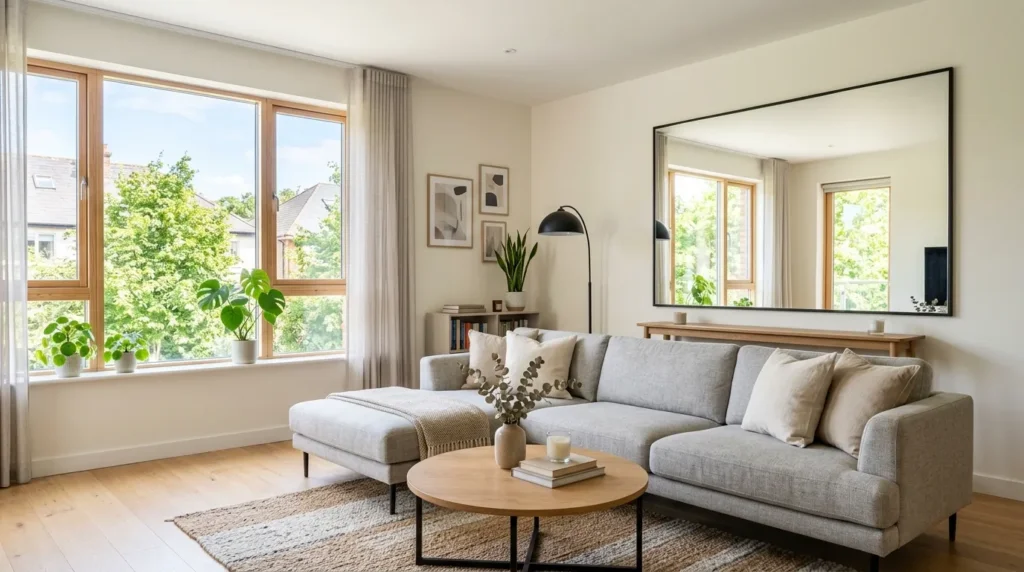
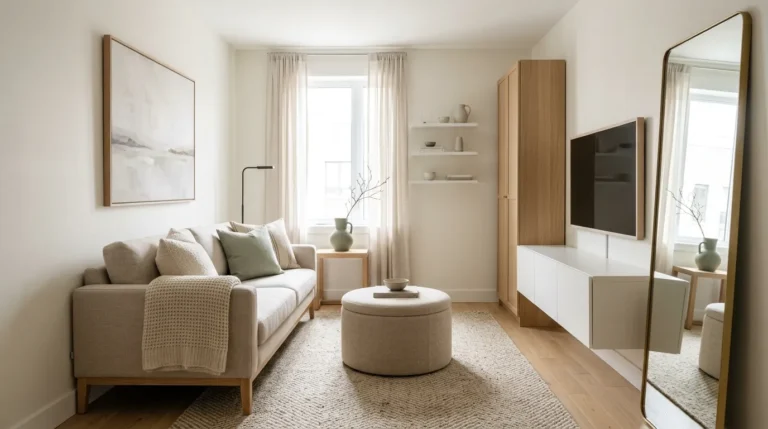
A large mirror is one of the most affordable ways to add visual interest and brightness to a lounge room. It reflects light around the space and gives a plain wall a focal point without the cost of original art.
Positioning a mirror across from a window tends to have the biggest impact, since it bounces natural light deeper into the room throughout the day. Secondhand and discount home stores are both reliable sources for oversized mirrors at a much lower price than specialty decor shops.
6. Rearrange Before You Buy Anything New

Sometimes the fastest, cheapest decorating change is simply rearranging what’s already in the room. Moving the sofa to a new wall, floating furniture away from the perimeter, or swapping which chair sits where can make a familiar room feel new again at no cost at all.
This step is also useful before making any purchases, since a new furniture layout might reveal that an additional piece isn’t actually needed, or that a different size or shape would work better in the space than originally planned.
7. Compare DIY Versus Ready Made Options

Some projects save real money by doing them yourself, while others are better left to ready made products. Here’s a quick comparison to help decide where the effort is worth it:
| Project | DIY Savings | Best Approach |
| Painted accent wall | High | DIY, low skill needed |
| Reupholstering a sofa | Low to moderate | Often better bought secondhand instead |
| Custom shelving | Moderate | DIY if basic tools are available |
Knowing where DIY genuinely saves money, and where it doesn’t, keeps a modest budget from being spent on the wrong projects. As a general rule, projects that mainly require time and a small amount of material, like painting, tend to be worth doing personally, while projects that require specialized skills or equipment, like upholstery work, are often cheaper to source secondhand instead.
8. Use Plants Instead of Expensive Decor

A few affordable, low maintenance plants add life and color to a lounge room for far less than most decorative objects. Pothos, snake plants, and spider plants are all inexpensive and widely available, and they instantly make a room feel more finished.
Grouping a few plants of different heights, rather than scattering single pots around the room, tends to create a more intentional look. Inexpensive woven baskets or thrifted planters can also dress up a plain nursery pot without adding much to the total cost.
9. Update Hardware and Small Fixtures
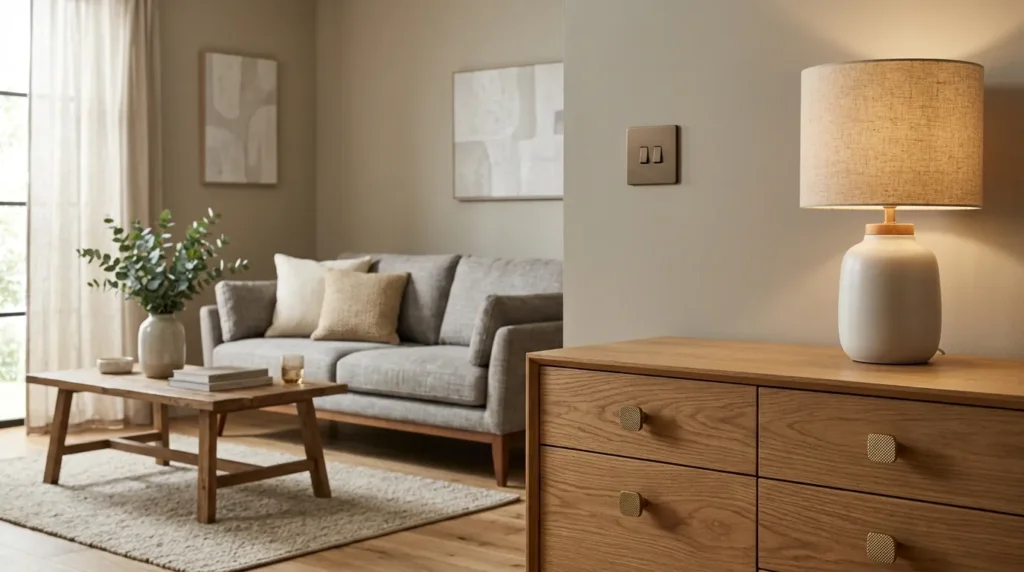
Swapping out dated cabinet knobs, light switch covers, or a lampshade is a small, low cost change that adds up. These details are easy to overlook but often stand out more than people expect once they’re updated.
Because these fixtures are small, it’s usually possible to upgrade several of them for the price of one larger decor item, and the change is noticeable enough that guests often can’t quite pinpoint what’s different, only that the room feels newer.
10. Frame Affordable Prints Instead of Original Art
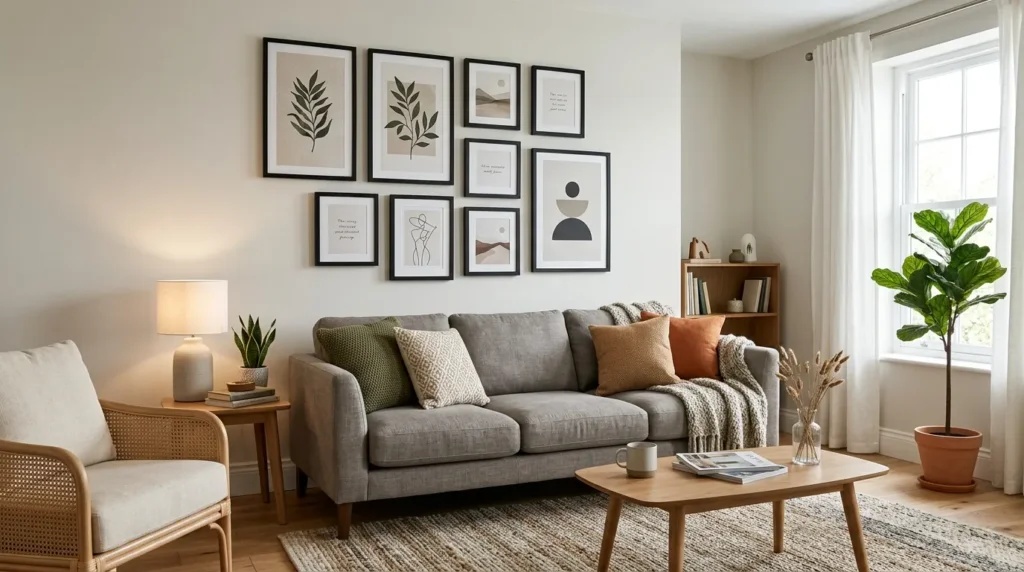
Printable digital art, poster prints, or even pages from an old book can be framed cheaply and arranged into a small gallery wall. This gives the room a curated, personal feel without the cost of commissioned or original artwork.
Buying a set of matching frames, rather than mismatched ones, is an easy way to make a gallery wall look intentional even when the prints themselves come from several different, low cost sources.
11. Prioritize One Statement Piece
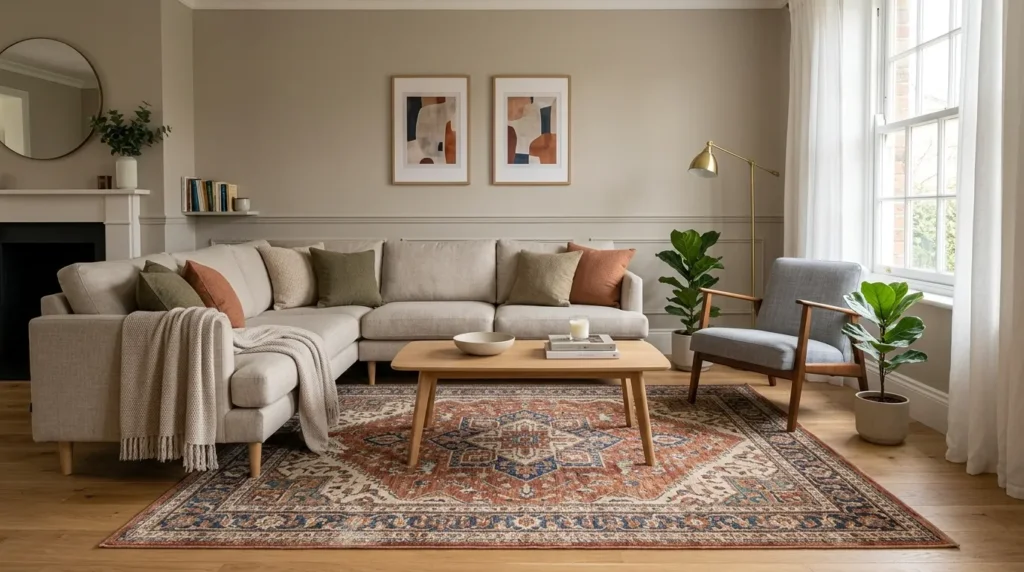
Rather than spreading a modest budget evenly across many small purchases, putting more of it toward one well chosen statement piece, like a patterned rug or a bold accent chair, gives the room a clear focal point. Everything else can stay simpler and more budget friendly around it.
This approach also makes future updates easier, since a room built around one strong piece can be refreshed later just by changing the smaller, cheaper items around it, without needing to replace the statement piece itself.
Final Thoughts
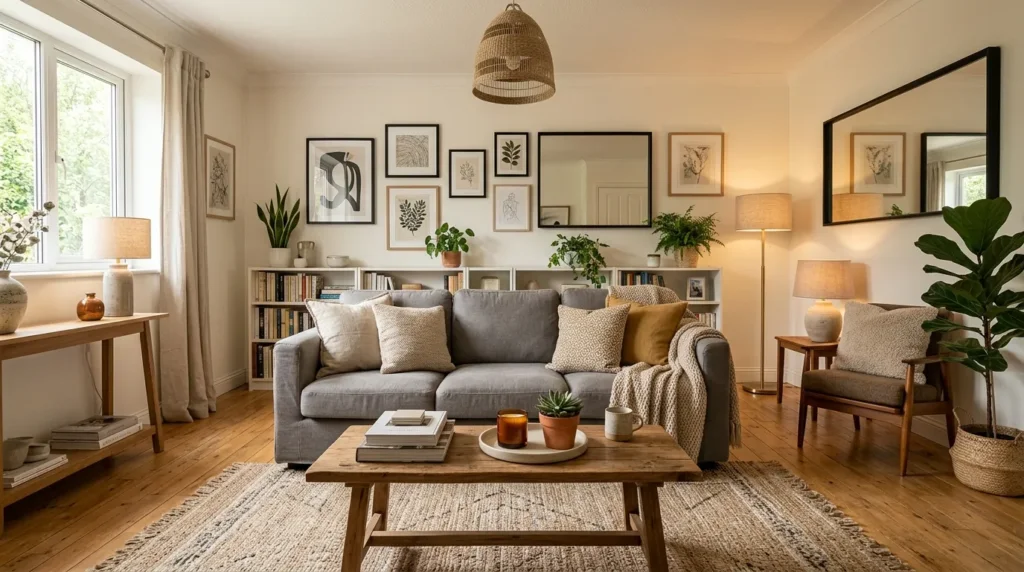
These decorating ideas for lounge room spaces prove that a modest budget doesn’t have to mean a plain or unfinished looking room. Thoughtful color choices, secondhand shopping, and a few well placed accents can go a long way toward a space that feels intentional and complete. Start with the changes that cost the least, like paint and rearranging, then build toward bigger purchases as the budget allows.
The most successful budget makeovers tend to happen gradually, with each new addition chosen carefully to fit the palette and layout already in place. Approaching the room this way not only spreads out the cost but also results in a space that feels more cohesive than one furnished all at once.
Frequently Asked Questions
1. What is the cheapest way to update a lounge room?
A fresh coat of paint is generally the lowest cost change that delivers the biggest visual difference. Even repainting a single wall or refreshing the trim can make the whole room look cleaner and more current, and the material cost is small compared to almost any furniture or decor purchase.
2. Should I buy new furniture or shop secondhand on a budget?
Secondhand furniture is often the better choice for larger pieces such as sofas, coffee tables, and armchairs, since it frequently offers better build quality than low cost new alternatives at a similar price. Checking the condition of frames, joints, and upholstery before buying helps avoid pieces that need expensive repairs later.
3. What should I prioritize first on a modest budget?
It helps to settle on a cohesive color palette before making any purchases. Choosing two or three main colors in advance means every later purchase, from furniture to small accents, will work together instead of competing, which keeps the whole room feeling planned rather than pieced together.
4. Can I decorate well without buying much new?
Yes, rearranging existing furniture is often the fastest and least expensive way to refresh a room. Moving the sofa to a different wall or changing which chair sits where can make a familiar space feel noticeably different without spending anything at all.
5. Are mirrors a good budget decorating choice?
Mirrors are one of the more affordable ways to add both light and visual interest to a room. Placed opposite a window, a large mirror reflects natural light further into the space and gives a plain wall a focal point without the expense of original artwork.