

15 Small Living Room Designs With a Cozy Modern Look
Decorating a small living room comes with a specific set of challenges. Limited floor space, awkward layouts, poor natural light, and the constant battle against clutter can make even a well-intentioned design feel cramped rather than cozy. The good news is that a compact footprint doesn’t have to mean sacrificing style or comfort.
With the right approach to furniture placement, color, lighting, and storage, small room living room designs can feel just as warm and inviting as their larger counterparts — sometimes even more so. A well-planned small space encourages intimacy, focus, and a sense of calm that oversized rooms often lack.
Below are 15 distinct small room living room designs, each built around a different concept, layout, or design principle. Whether you’re working with a studio apartment, a narrow city rowhouse, or a modest suburban den, there’s an approach here that fits your space.
1. The Minimalist Neutral Retreat
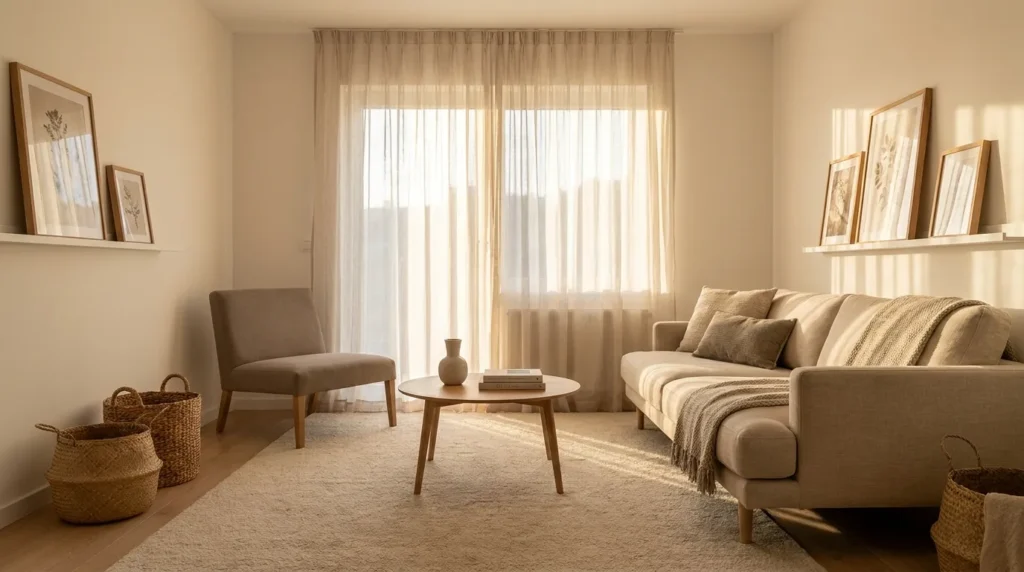
A neutral, minimalist palette is one of the most reliable ways to make a small living room feel open and airy. Stick to a tight range of two or three tones — think warm white, oatmeal, and soft taupe — across walls, upholstery, and textiles.
The trick is restraint: choose fewer, higher-quality pieces instead of filling every corner. A low-profile sofa, one accent chair, and a simple coffee table are often enough. This design works because it removes visual noise, letting the eye travel across the room instead of stopping at clutter.
2. The Multifunctional Studio Layout
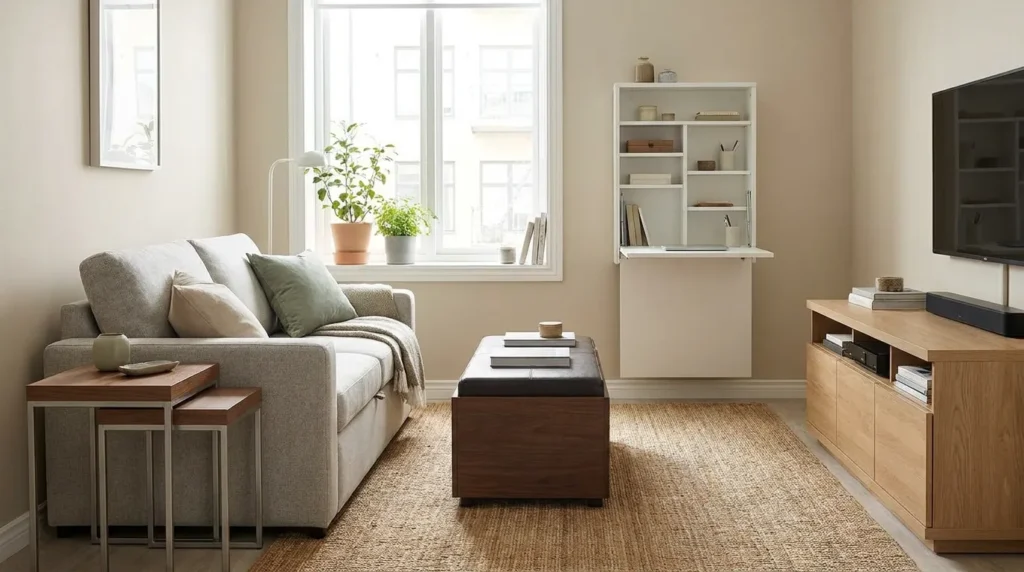
For studio apartments or open-plan spaces, multifunctional furniture is essential. A sofa bed, a storage ottoman that doubles as a coffee table, and nesting side tables allow the same square footage to serve several purposes throughout the day.
Consider a fold-down desk mounted to the wall that tucks away when not in use, or a media console with built-in cabinets to hide electronics and cables. This layout proves that small room living room designs don’t need to compromise between comfort and practicality — they just need furniture that works harder.
3. The Cozy Reading Nook Corner
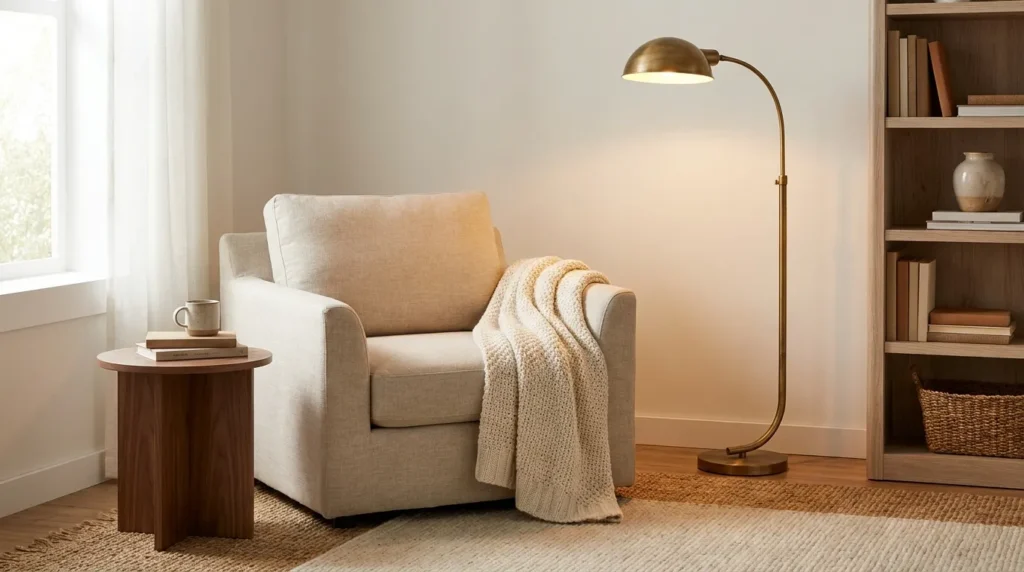
Instead of designing the whole room around a television or central seating arrangement, dedicate one corner entirely to a reading nook. A single armchair, a compact side table, and a floor lamp with warm, adjustable lighting create a defined “zone” without requiring extra square footage.
Layer in a soft throw blanket and a small bookshelf, and you’ve created a retreat within a retreat. This approach works particularly well in living rooms with an awkward corner or unused alcove that would otherwise go to waste.
4. The Light and Airy Scandinavian Look
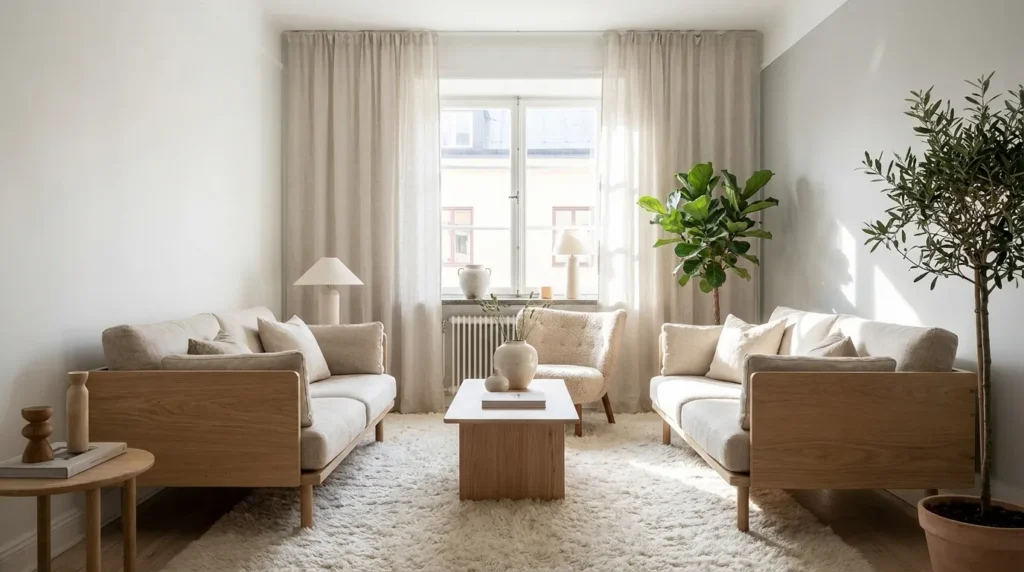
Scandinavian design has long been associated with small-space living, and for good reason. It combines light wood tones, white or pale gray walls, and natural textures like wool and linen to create a bright, uncluttered atmosphere.
Furniture legs are typically slim and raised off the floor, which allows light to pass underneath and makes pieces feel less bulky. Pair this with sheer curtains and a large area rug to visually anchor the seating area without weighing the room down.
5. The Bold Accent Wall Statement
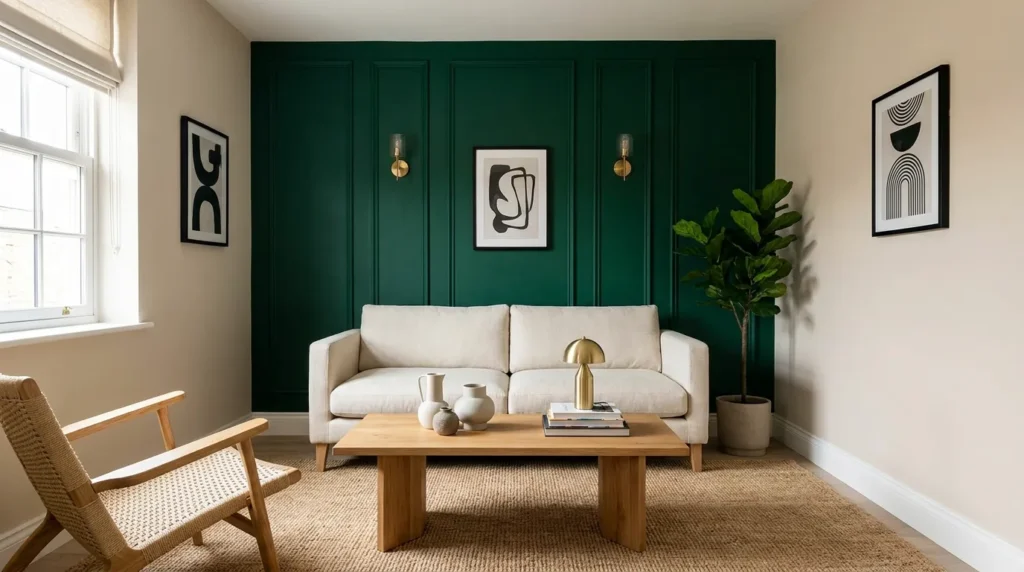
Not every small living room needs to disappear into neutrals. A single bold accent wall — in a deep green, navy, or terracotta — can add personality and depth without overwhelming the space, as long as the rest of the room stays simple.
Keep furniture and décor understated so the wall remains the focal point. This design proves that small room living room designs can embrace color confidently when it’s used strategically rather than throughout the entire space.
6. The Mirror-Enhanced Open Layout
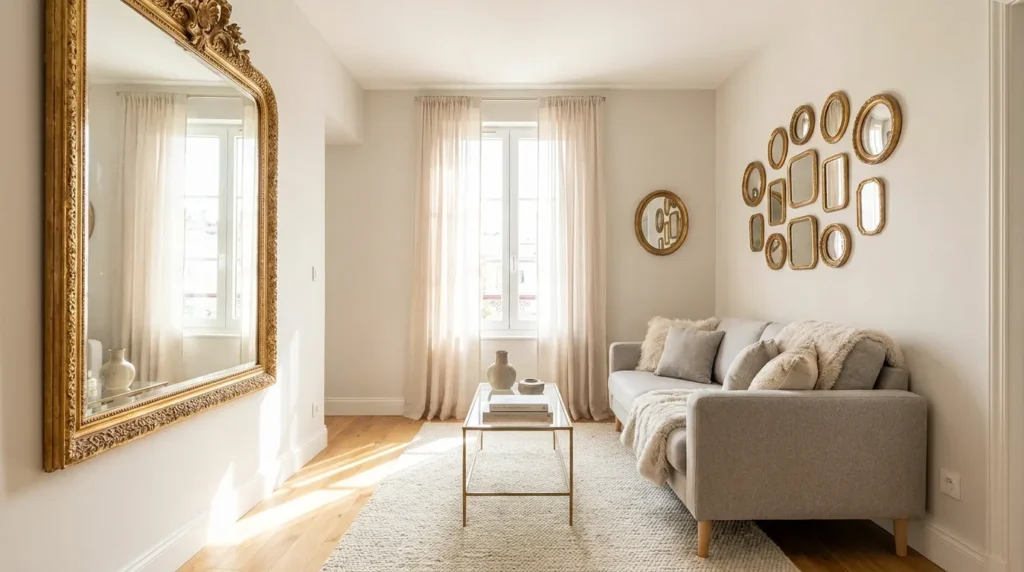
Mirrors are one of the most effective tools for making a small living room feel larger. A large mirror placed opposite a window reflects natural light deeper into the room, while a gallery of smaller mirrors on one wall adds texture and visual interest.
Beyond the practical benefit, mirrors create the illusion of depth, making a boxy or narrow room feel less confined. This is a particularly useful technique for interior rooms with only one window or limited natural light.
7. The Vertical Storage Solution
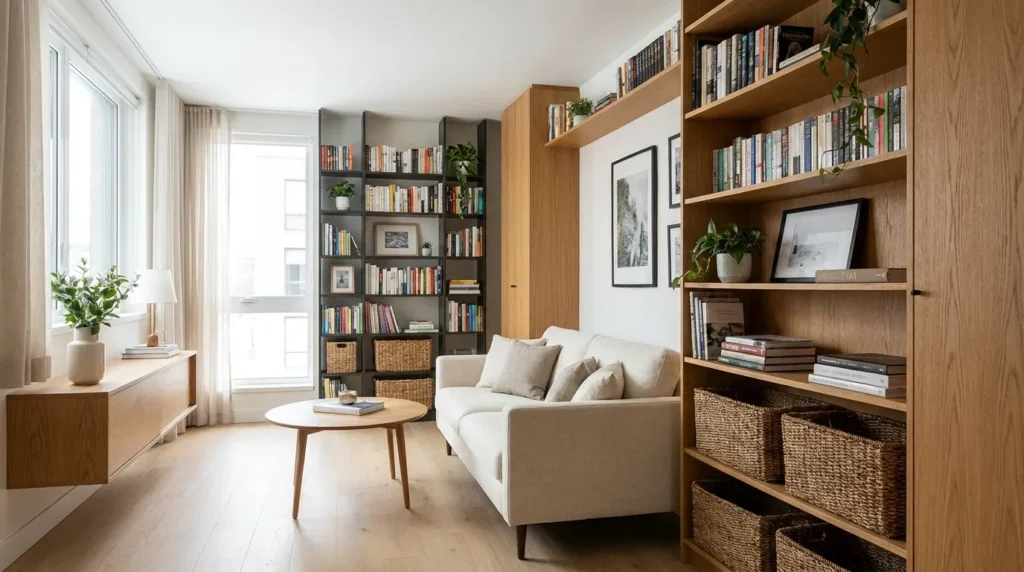
When floor space is limited, the solution is often to build upward. Floor-to-ceiling shelving units, tall bookcases, and wall-mounted cabinets store books, décor, and everyday items without eating into your walking space.
This design works best when shelving is kept slightly open rather than fully enclosed, so the room doesn’t feel boxed in. A few well-placed baskets on lower shelves can hide smaller clutter while keeping the overall look tidy and intentional.
8. The Warm Industrial Loft Feel
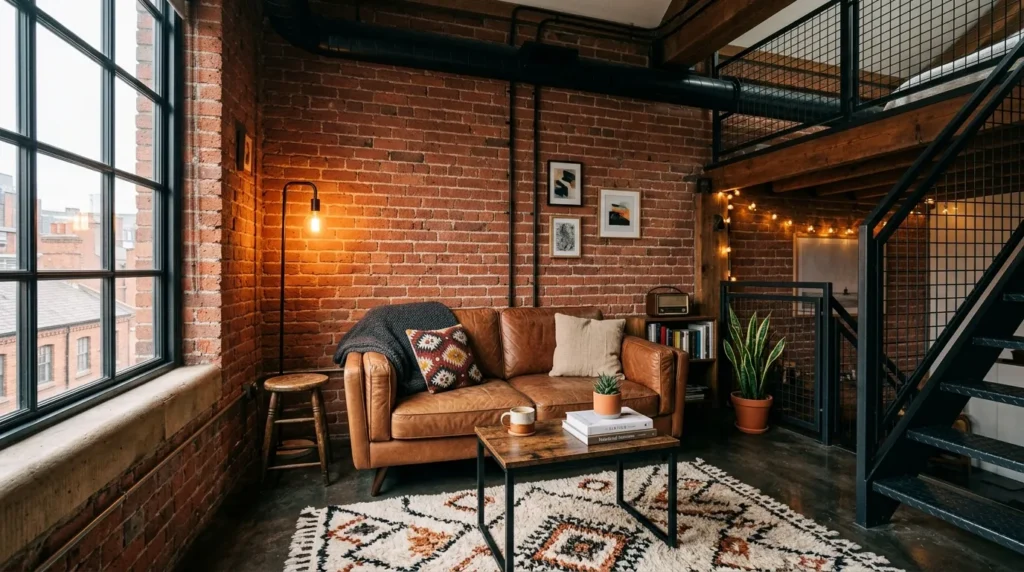
Exposed brick, black metal accents, and leather seating bring an industrial edge to a small living room without sacrificing coziness. Balance the harder materials with warm lighting, a plush area rug, and soft textiles to keep the space from feeling cold.
This design suits apartments with existing architectural character, such as exposed beams or brick walls, turning what might be considered a limitation into a design feature.
9. The Curved Furniture Approach
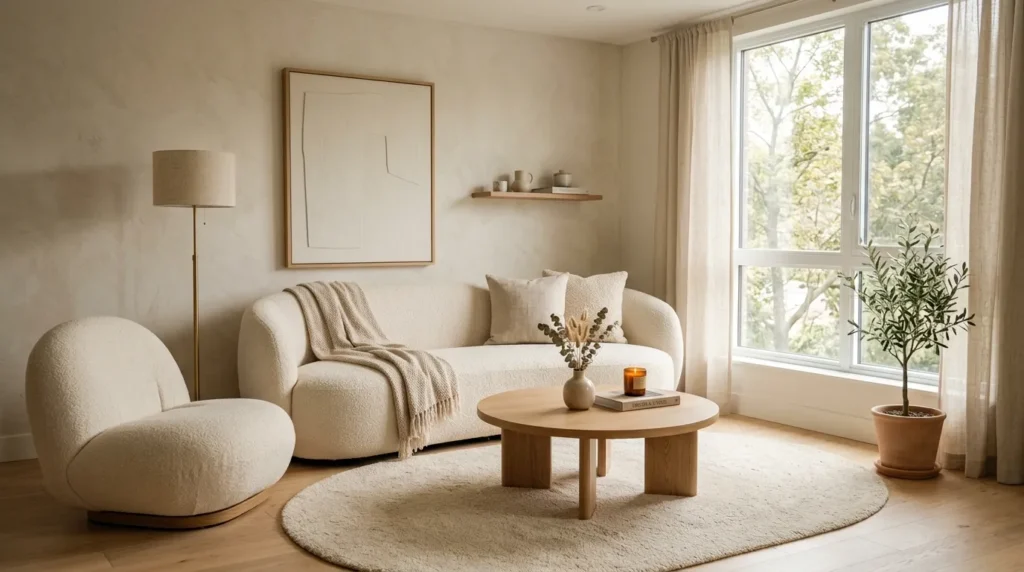
Sharp corners and rectangular furniture can make a small room feel more cramped than it is. Swapping a traditional sofa for a curved or rounded one — along with a circular coffee table — softens the layout and improves traffic flow.
Curved furniture also tends to sit lower and takes up less visual weight, which contributes to a more open, modern feel. This is a subtle but effective way to update a small living room without changing its overall footprint.
10. The Window-Centered Layout
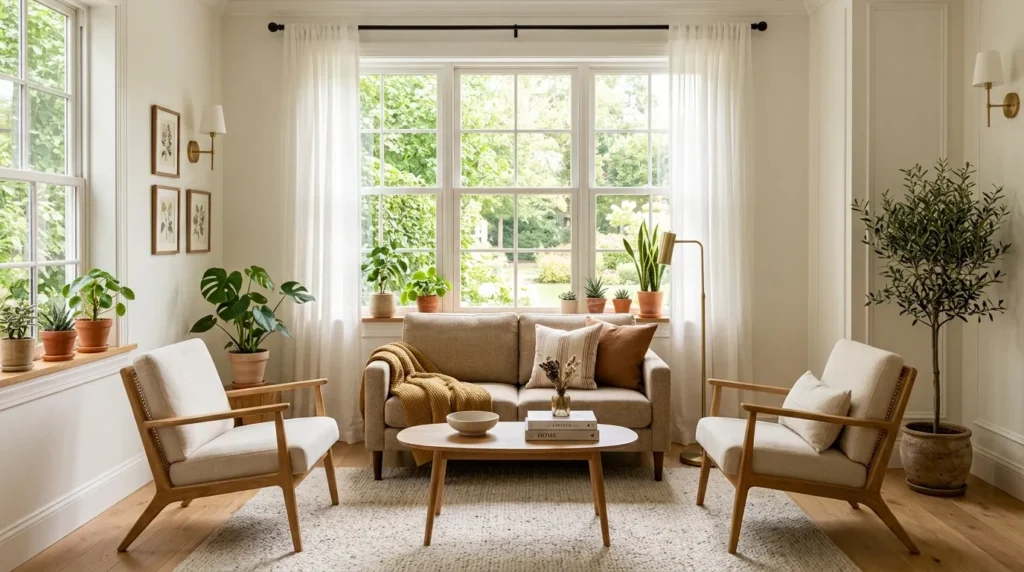
If your small living room has a good window, build the layout around it rather than around the television. Position seating to face or flank the window, and keep curtains lightweight to let in as much natural light as possible.
Natural light is one of the fastest ways to make any room feel bigger and cozier at the same time. Pair this layout with a small plant or two near the window to soften the space further.
11. The Monochrome Textural Design
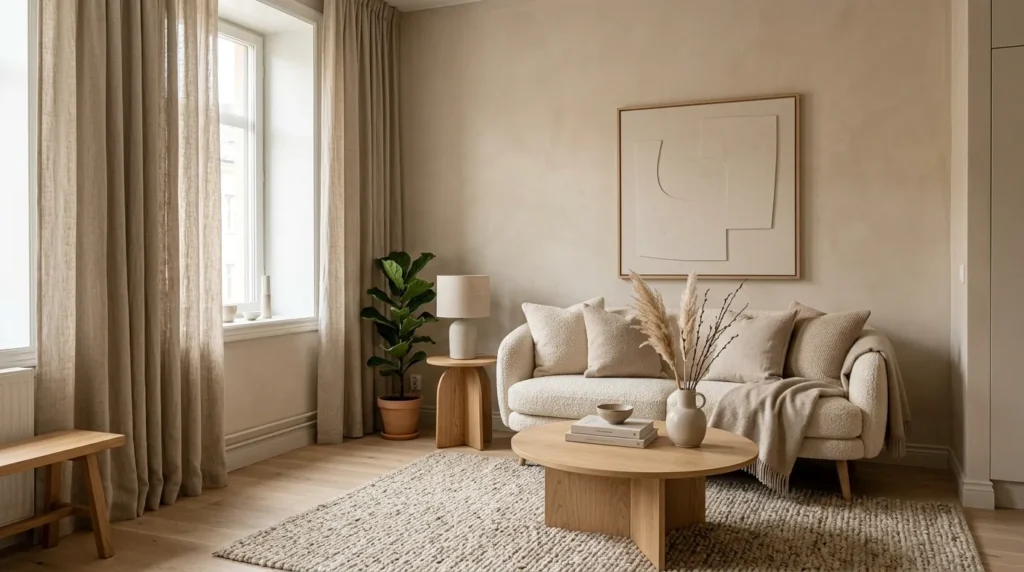
A monochrome color scheme — all soft grays, or all warm beiges — can feel small-space-friendly, but only if you introduce texture to avoid a flat, one-dimensional look. Mix boucle upholstery, a woven rug, linen curtains, and a wood coffee table within the same tonal family.
This layered approach to a single color palette keeps the eye interested without adding visual clutter, making it one of the more sophisticated small room living room designs on this list.
12. The Compact Sectional Corner Setup
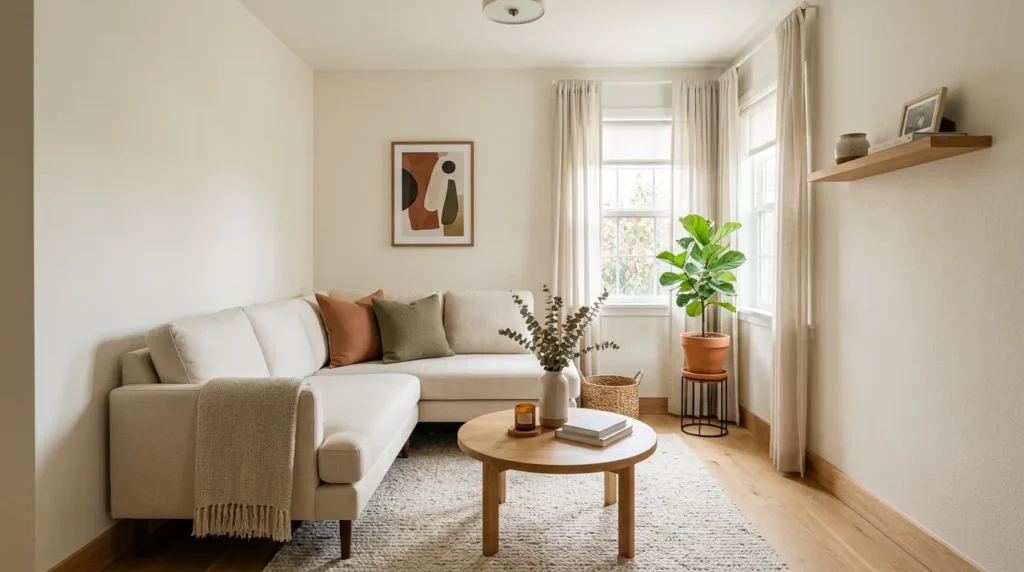
An L-shaped sectional, when sized correctly, can actually maximize seating in a small room more efficiently than two separate chairs and a sofa. Tucking the sectional into a corner frees up the center of the room for movement and keeps the layout open.
Choose a sectional with slim arms and a lower back to avoid overwhelming the space. This works especially well in square rooms where a corner placement naturally defines the seating area.
13. The Boho-Inspired Layered Look
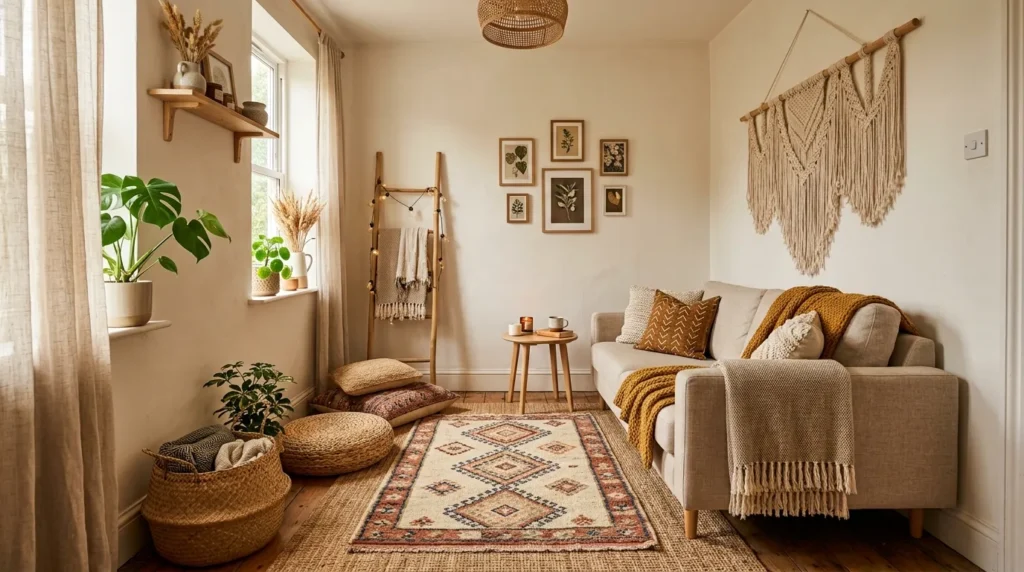
A bohemian approach to a small living room relies on layering textures and patterns rather than adding more furniture. Think a patterned rug layered over a plain one, floor cushions instead of a second chair, and macramé or woven wall hangings.
This design proves that “cozy” doesn’t have to mean sparse — it can also mean rich, layered, and personal, as long as the underlying furniture footprint stays minimal.
14. The Built-In Banquette Seating Design
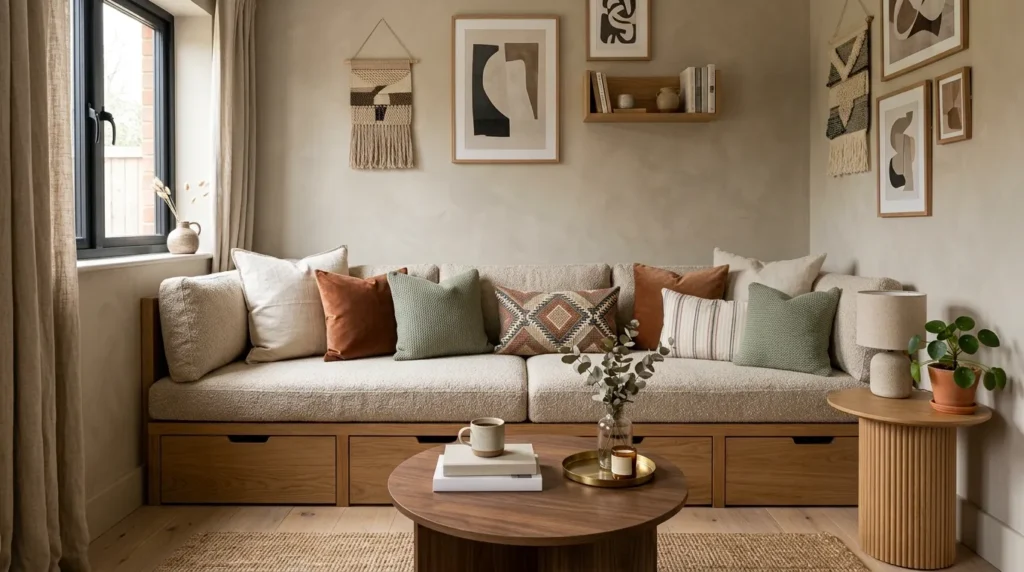
Built-in banquette seating, often used in dining nooks, works surprisingly well in small living rooms too. A custom or modular bench along one wall, topped with cushions, provides ample seating without the bulk of a traditional sofa.
Storage can often be built directly into the bench itself, solving two small-space problems — seating and storage — with a single piece. This layout is ideal for oddly shaped rooms where a standard sofa simply won’t fit well.
15. The Warm Japandi Fusion Style
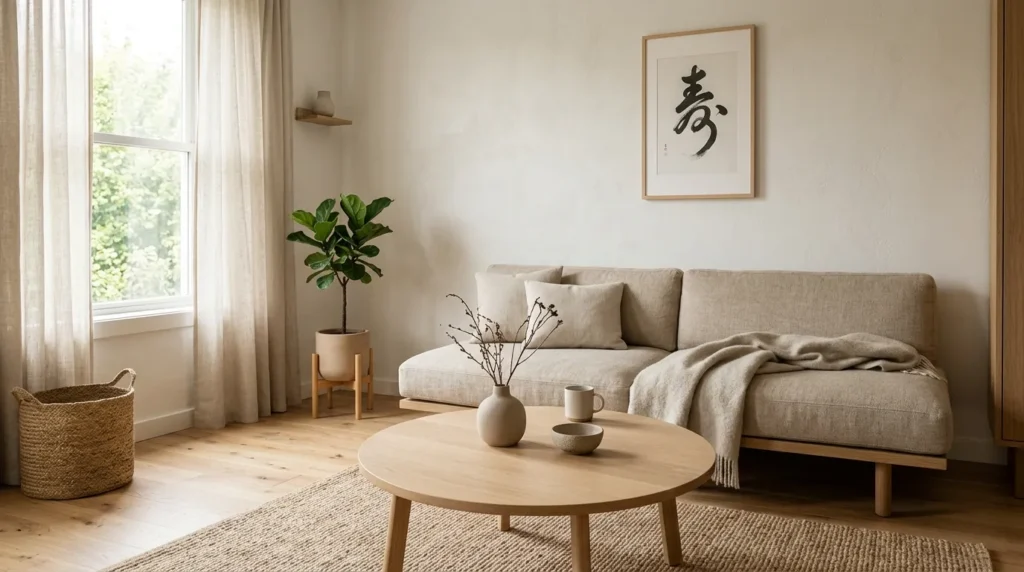
Japandi design blends Japanese minimalism with Scandinavian warmth, resulting in a calm, uncluttered aesthetic that suits small spaces particularly well. Low-profile furniture, natural materials, and a muted, earthy palette define the look.
Keep décor sparse and intentional — a single piece of pottery, one framed print, a small potted plant. This design shows that small room living room designs can feel serene and modern simultaneously, without relying on stark minimalism or maximalist layering.
Final Thoughts
A small living room isn’t a limitation — it’s a design challenge with plenty of creative solutions. From multifunctional furniture and vertical storage to strategic mirror placement and layered textures, these 15 small room living room designs each tackle common pain points like limited space, poor lighting, and clutter in a different way.
The best approach depends on your room’s shape, natural light, and how you actually use the space day to day. Whichever direction you choose, the goal remains the same: a living room that feels cozy, functional, and visually larger than its actual square footage.
Frequently Asked Questions
How can I make my small living room look bigger without renovating? Focus on light and reflection rather than construction. Painting walls a lighter tone, hanging a large mirror across from a window, and choosing furniture with visible legs all create a sense of openness. Keeping curtains simple and letting in as much natural light as possible also helps the room feel less enclosed.
What furniture works best in a small living room? Look for pieces sized to the room rather than oversized statement furniture. A loveseat instead of a full sofa, armless or slim-profile chairs, and nesting or modular tables all help. Multifunctional furniture — like a storage ottoman or a sofa bed — is especially useful when square footage is tight.
What are the best colors for a small living room? Light, warm neutrals such as soft white, oatmeal, and pale gray tend to make small rooms feel more open, since they reflect light rather than absorb it. That said, a single deeper accent color — on one wall or in a few accessories — can add character without shrinking the space visually, as long as the rest of the room stays simple.
How do I add storage to a small living room without making it feel cluttered? Prioritize vertical storage, like tall, narrow bookcases or wall-mounted shelving, since it uses height rather than floor space. Furniture that hides storage — ottomans, benches with lift-up tops, or console tables with cabinets — is also effective. Keeping shelving partly open, rather than fully enclosed, prevents the room from feeling boxed in.
How should I arrange furniture in a small living room? Start by identifying the main walking path through the room and keep it clear. Floating a sofa slightly away from the wall, angling a chair into a corner, or choosing a smaller-scale sectional can all help define a seating area without blocking movement. Avoid pushing every piece flush against the walls, which can actually make a room feel more awkward rather than more spacious.
Can a small living room still feel cozy and modern at the same time? Yes — cozy and modern aren’t mutually exclusive. Warm lighting, soft textiles, and natural materials add comfort, while a restrained color palette, clean lines, and decluttered surfaces keep the look current. Several of the designs above, such as the Japandi fusion style or the Scandinavian look, are built specifically around balancing both qualities.
Do small living rooms need a lot of accessories and décor? No — in fact, fewer, more intentional pieces usually work better. A cluttered surface makes a small room feel busier and more confined. Choose a handful of meaningful items, like one piece of art, a plant, or a textured throw, rather than filling every shelf and tabletop.
