15 Home Design Ideas That Blend Style With Everyday Comfort
A beautiful home that’s uncomfortable to live in isn’t really a success. And a comfortable home with no sense of style often feels unfinished. The best spaces manage both: they look good in photos and feel even better on an ordinary Tuesday evening.
If you’re searching for home design ideas that balance looks with livability, this guide is for you. The fifteen ideas below are practical, budget-flexible, and easy to adapt, whether you’re furnishing a first apartment or refreshing a family house. Following your earlier preference, bullets appear only under headings 1, 3, 5, and so on, so the rest are written as short, readable paragraphs.
1. Build Your Design Around a Comfort-First Layout
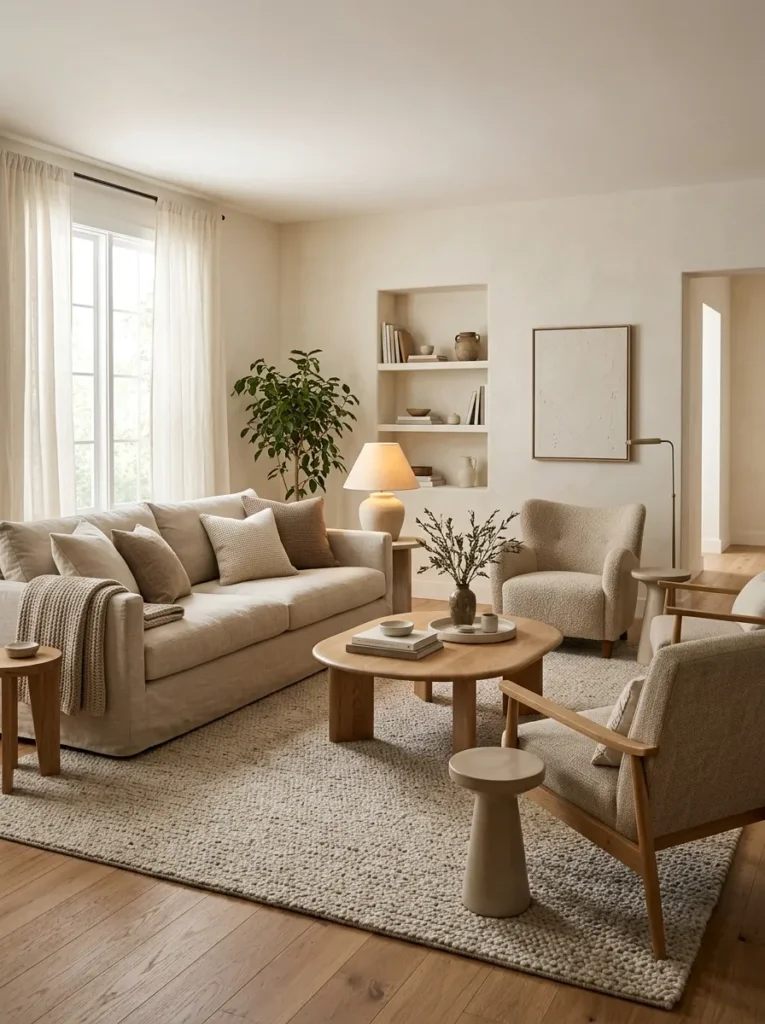
Before choosing colors or decor, look at how you actually move through your home. A stylish room with awkward walkways or poorly placed seating will never feel relaxing.
Start with these checks:
- Leave clear walkways of about 30 to 36 inches between major furniture pieces
- Face seating toward each other, not just toward the TV, to encourage conversation
- Place a surface within reach of every seat for drinks, books, or a phone
- Keep frequently used items near where you use them
A layout that supports daily habits is the foundation of every other design choice in this list.
2. Choose a Warm, Livable Color Palette
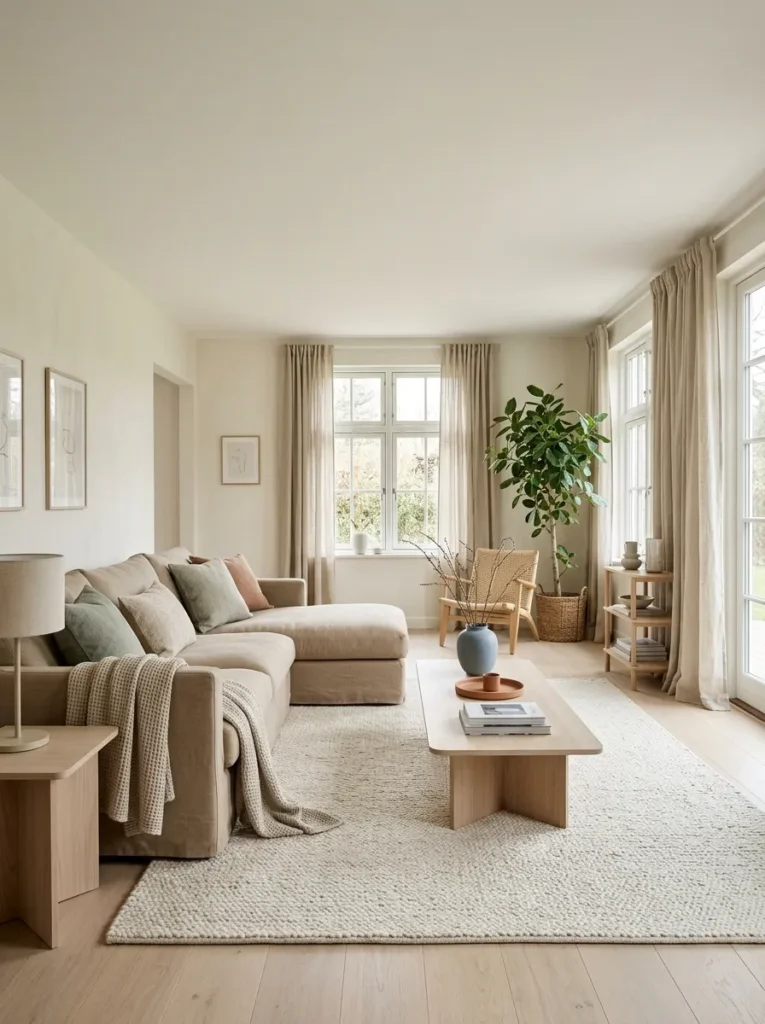
Color shapes mood more than almost any other element. For everyday comfort, warm neutrals such as cream, soft beige, oatmeal, and warm white create a calm backdrop that suits nearly any style. They also make it easy to change accessories without repainting.
Add personality through a few controlled accents. Muted greens, dusty blues, terracotta, and soft clay tones feel natural and inviting without overwhelming a room. A good approach is to choose one main neutral, one supporting color, and one accent, then repeat them across rooms so the whole home feels connected.
3. Invest in a Truly Comfortable Sofa

The sofa is the workhorse of most homes, so comfort should outweigh trends when you buy one. A piece that looks great but feels stiff will frustrate you daily.
When shopping, consider:
- Seat depth and height, since taller people often prefer deeper seats and shorter people shallower ones
- Cushion fill, such as foam wrapped in feather or fiber blends, for a balance of support and softness
- Performance fabrics that resist stains and wear, especially with kids or pets
- A solid frame, ideally hardwood, for long-term durability
- A neutral base color, so you can refresh the look with pillows and throws
Sit on the sofa in the store for several minutes, and bring your usual posture with you. Comfort is personal, and a quick test says more than any product description.
4. Layer Textures for Depth and Warmth
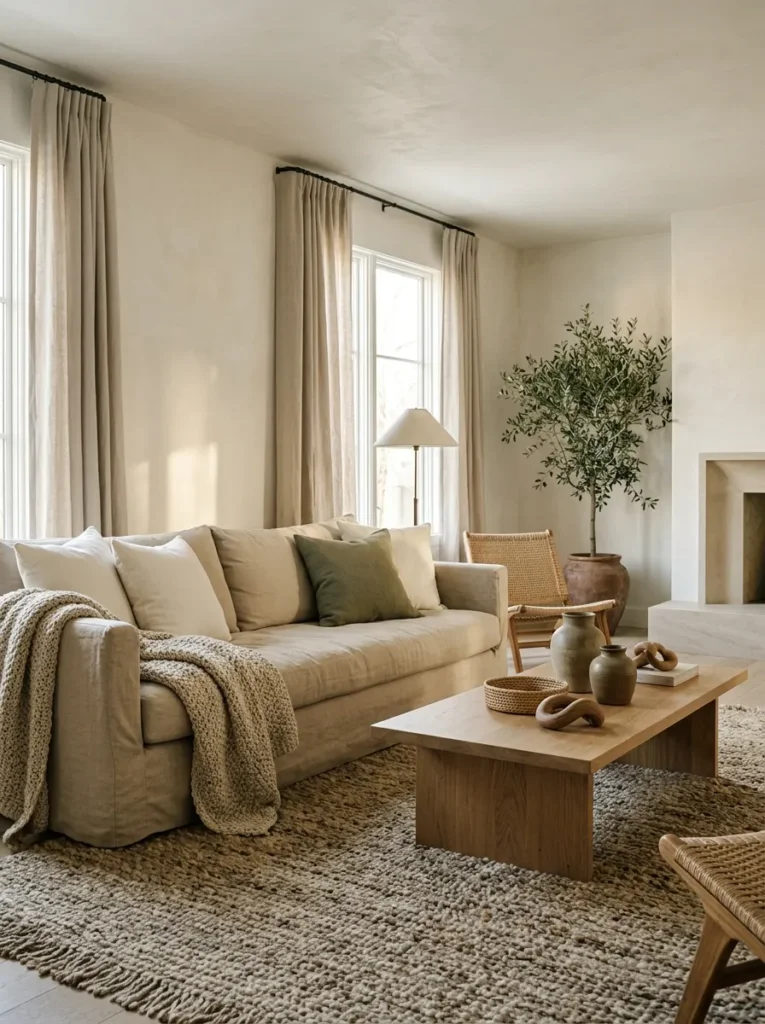
A room made of smooth, matching surfaces can feel flat or cold, even when it’s well designed. Texture adds visual interest and physical softness at the same time.
Mix materials such as linen, wool, cotton, wood, ceramic, and woven fibers. A chunky knit throw, a jute rug, and a few linen pillows can change a room’s character without a major purchase. The aim is variety within a consistent color family, so the layers feel collected rather than chaotic.
5. Layer Your Lighting for Every Mood
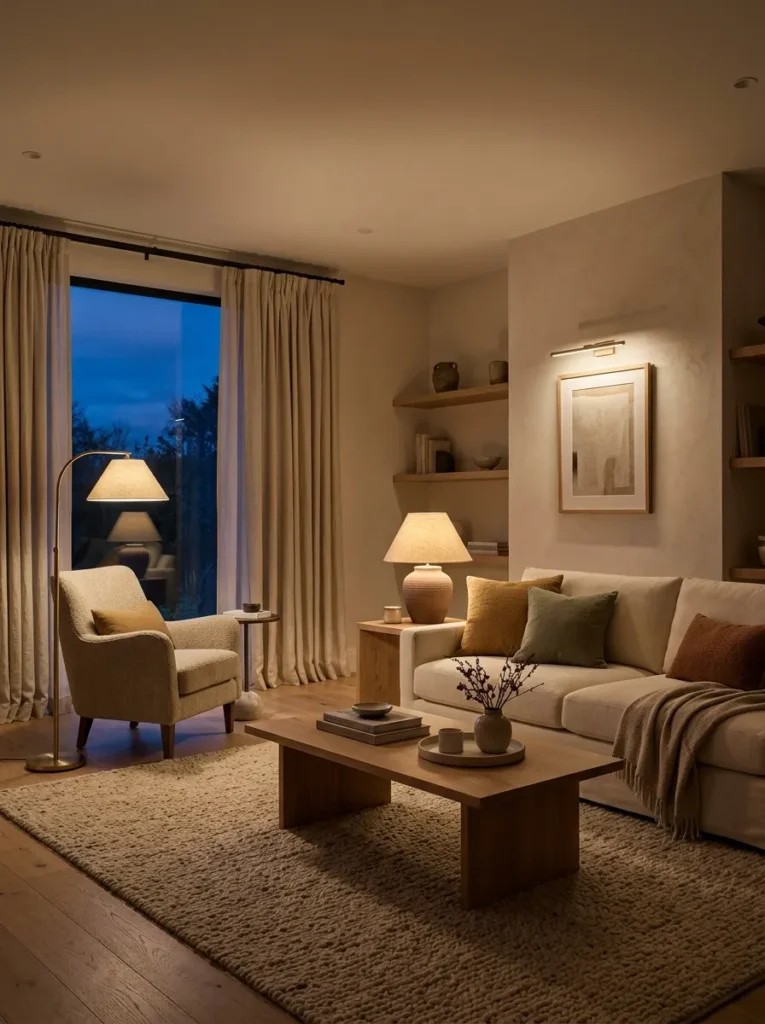
Lighting influences how comfortable a room feels from morning to night. Relying on one overhead fixture usually creates harsh light and shadowy corners.
Build three layers:
- Ambient lighting from ceiling fixtures or wall sconces for general brightness
- Task lighting such as reading lamps and under-cabinet lights for focused activities
- Accent lighting from small table lamps or LED strips to add warmth and highlight features
- Dimmers wherever possible, so one room can serve both busy mornings and quiet evenings
- Warm bulbs, typically around 2700K, for cozy living areas and bedrooms
Even swapping a single harsh bulb for a warmer one can noticeably soften the mood of a room.
6. Bring in Natural Materials
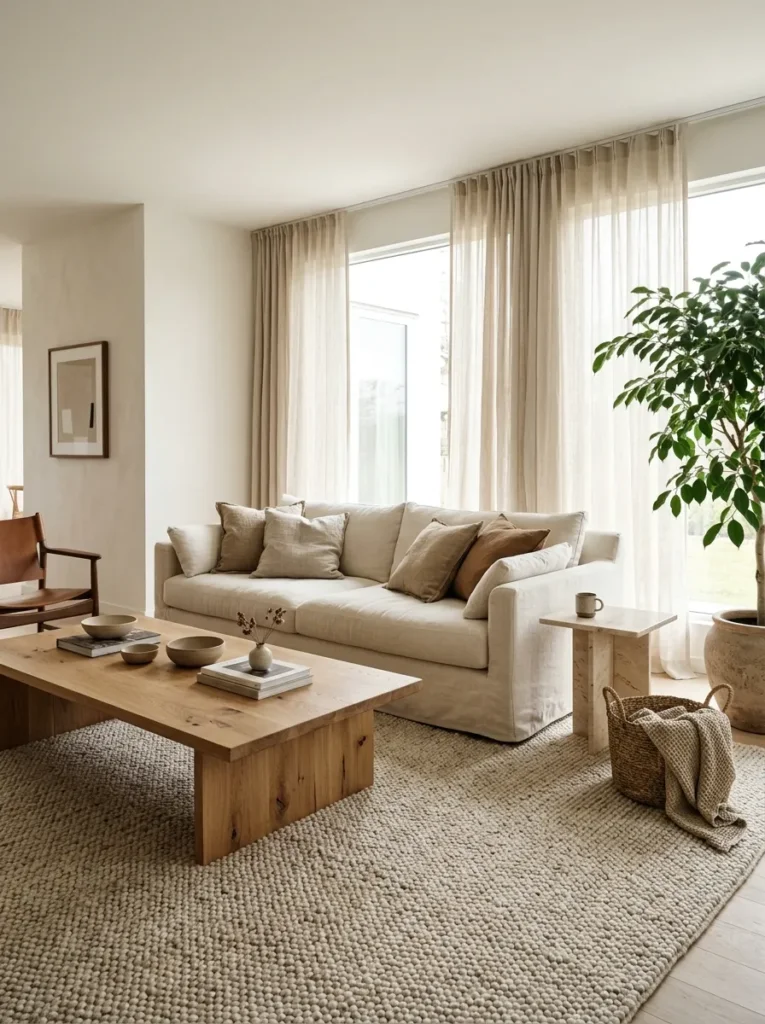
Wood, stone, cotton, wool, and clay have a quality that synthetic materials struggle to match. They age gracefully, feel pleasant to touch, and connect interiors to the outdoors.
You don’t need to renovate to benefit. A solid wood coffee table, a stone tray, a wool rug, or ceramic lamp bases can introduce natural character. Mixing two or three wood tones is perfectly fine, as long as they share a similar warmth. Natural materials also pair well with almost any decorating style, from modern to farmhouse.
7. Create Smart, Hidden Storage
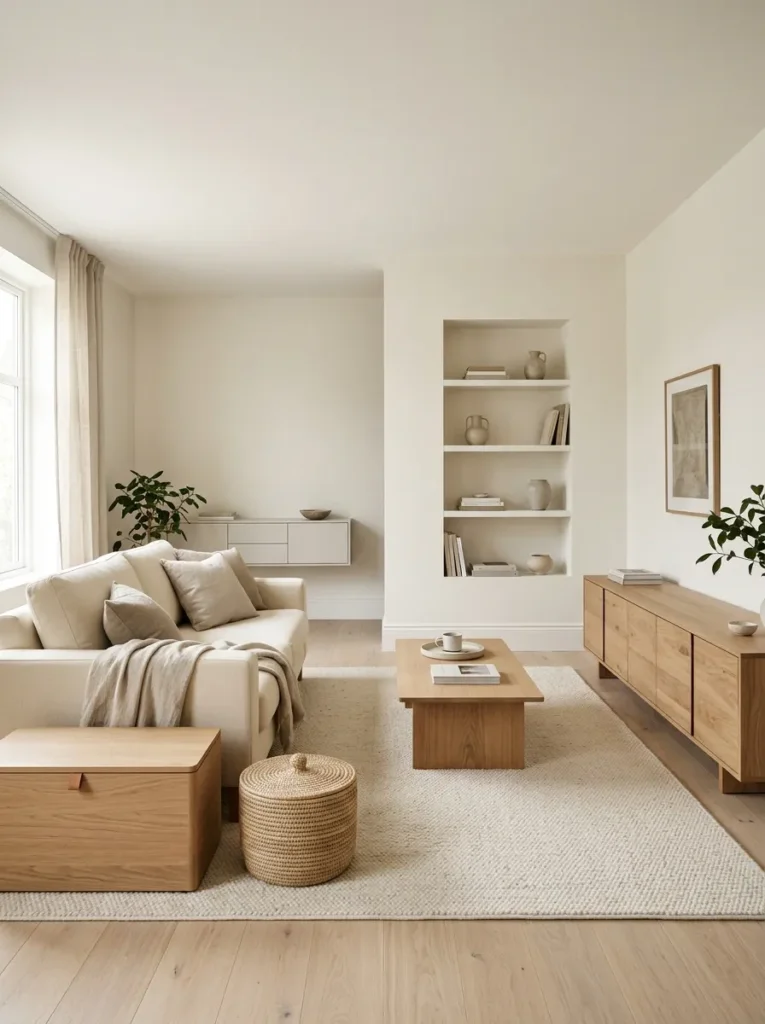
Clutter is one of the biggest enemies of comfort. When everything has a home, rooms feel calmer and cleaning becomes easier. The best storage is the kind you barely notice.
Try these solutions:
- Storage ottomans or benches for blankets, toys, and remotes
- Beds with under-bed drawers to free up closet space
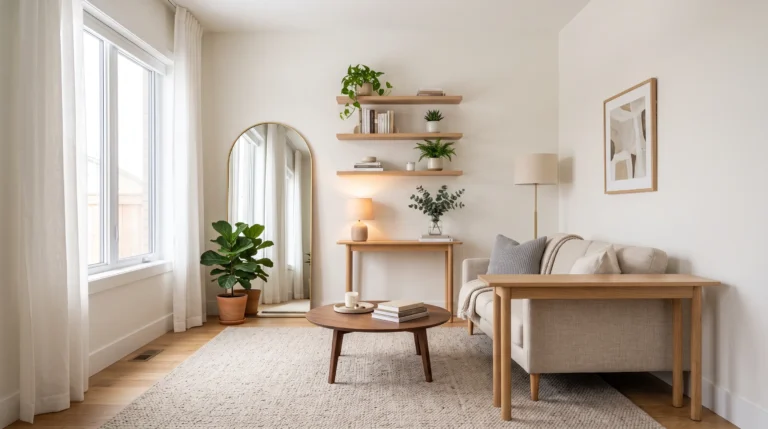
- Floating shelves above desks or sofas for books and decor
- Closed cabinets in entryways for shoes, bags, and coats
- Baskets with lids for small items you want out of sight
Choose storage that matches your style so it becomes part of the design rather than something you hide.
8. Make Your Entryway Work Hard
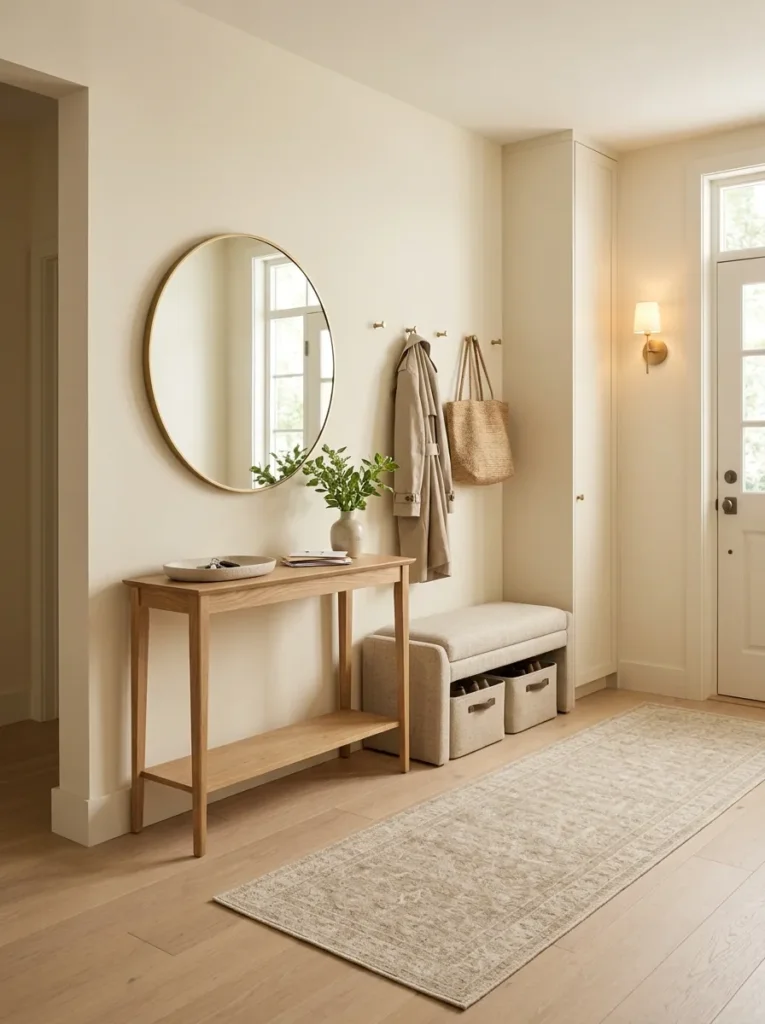
Your entryway sets the tone for the whole home and handles the daily rush of coming and going. Even a small one can feel welcoming and organized with a few well-chosen pieces.
A slim console or bench gives you a place to sit and drop keys, while hooks on the wall hold coats and bags. Add a small mirror for a last-minute check and to bounce light around. A washable rug protects the floor, and a tray for shoes keeps mud contained. When this area is tidy, the rest of the house stays tidier too.
9. Use Rugs to Anchor and Soften Spaces
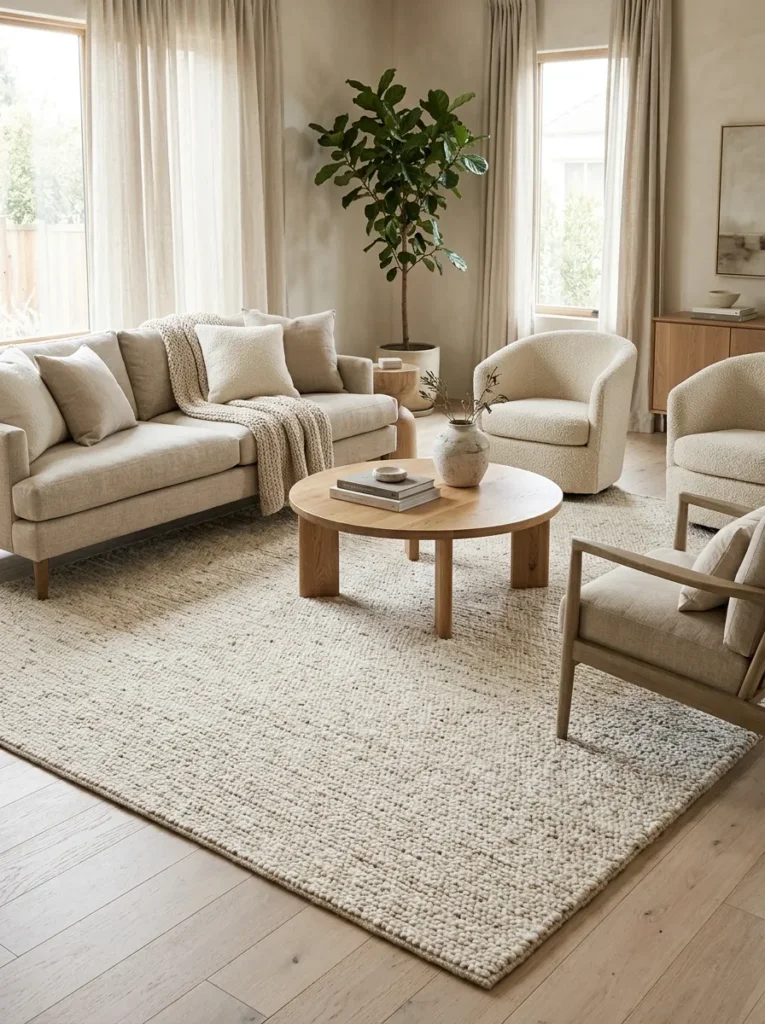
A good rug does more than decorate. It defines zones, absorbs sound, and adds warmth underfoot, which makes a room feel instantly cozier.
Keep these tips in mind:
- Size generously, so at least the front legs of your furniture rest on the rug
- Choose low-pile or flat-weave in high-traffic areas for easier cleaning
- Select washable or stain-resistant fibers if you have children or pets
- Add a non-slip pad to prevent slipping and extend the rug’s life
- Pick subtle patterns that hide daily wear
A rug that’s too small is one of the most common design mistakes, so measure before you buy.
10. Add Greenery for Life and Freshness
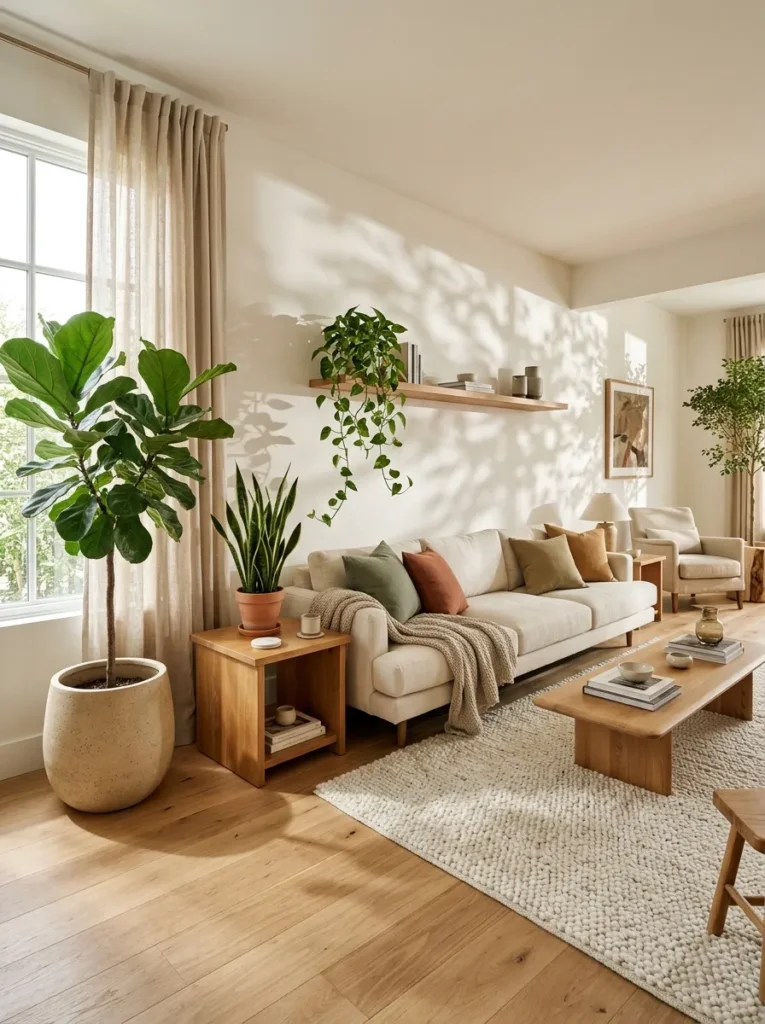
Plants bring color, shape, and a sense of calm to a room. They soften hard edges and make a space feel lived in and cared for.
If you’re new to plants, start with forgiving varieties such as pothos, snake plants, or ZZ plants, which tolerate lower light and occasional forgetfulness. Group a few pots of different heights together for a styled look, or place a single large plant in a corner to fill empty space. If real plants aren’t practical, high-quality faux greenery can still add visual softness.
11. Personalize With Meaningful Decor
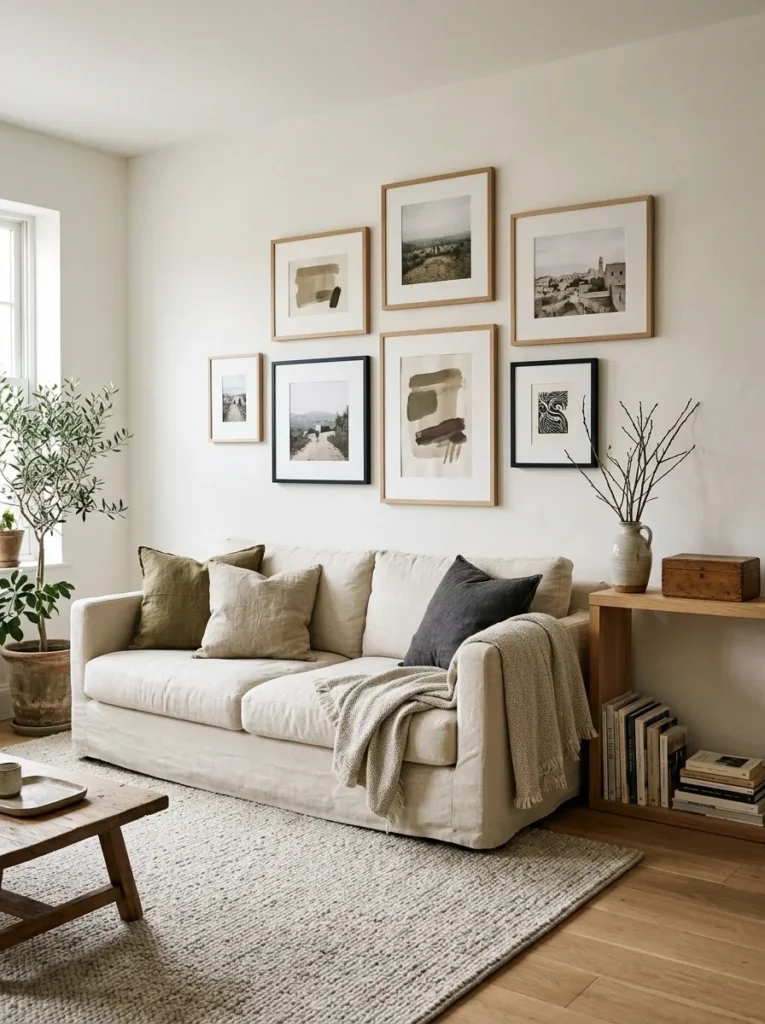
A home should reflect the people who live in it. Meaningful objects turn a well-styled space into a personal one, and they’re often more interesting than anything bought for show.
Consider these ways to personalize:
- Frame family photos or travel prints in a consistent frame style
- Display a few inherited or handmade pieces on shelves
- Create a gallery wall with a mix of art, photos, and small objects
- Showcase collections in groups rather than scattering them
Edit as you go. A smaller number of items you truly love will always look better than a crowded display.
12. Design a Cozy Reading or Relaxation Corner
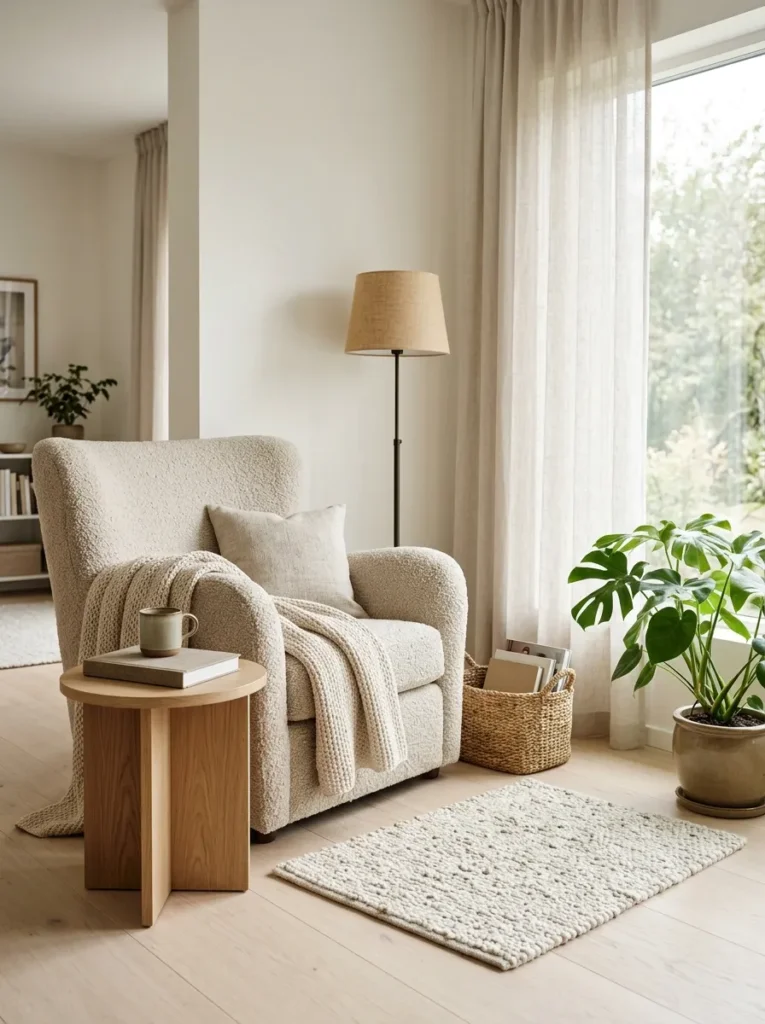
Everyday comfort improves when you have one spot that’s dedicated to unwinding. It doesn’t need much space, just the right ingredients.
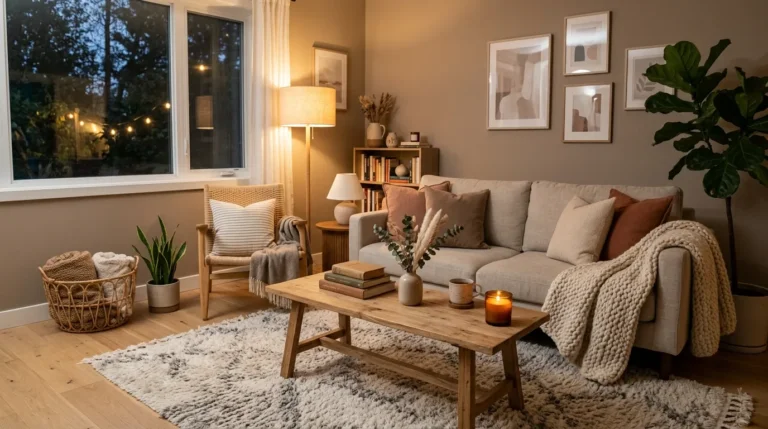
Pair a comfortable armchair with a small side table, a floor lamp, and a soft throw. Place it near a window if possible for natural light during the day. Add a small basket for books or magazines. Having a designated corner makes it easier to pause, which is a quiet but valuable form of comfort.
13. Hang Curtains That Add Softness and Function

Window treatments affect light, privacy, temperature, and style all at once. Well-chosen curtains make a room feel taller and more finished.
Here are a few guidelines:
- Hang rods higher and wider than the window frame to make windows look larger
- Choose floor-length panels for a polished look
- Use lined curtains to improve privacy and help block light and drafts
- Layer sheers with heavier drapes for flexible light control
- Pick natural fabrics such as linen or cotton blends for a relaxed feel
Good curtains frame the view and soften the hard lines of walls and windows.
14. Create a Bedroom That Supports Better Rest

A bedroom should feel like a retreat. Style matters, but comfort here directly affects how well you sleep and how you feel the next day.
Start with a supportive mattress and good-quality bedding in breathable materials such as cotton or linen. Use soft, muted colors and keep decor minimal. Blackout curtains or lined drapes help with light control, and warm bedside lamps create a gentle glow in the evening. Keep electronics and clutter out of sight where possible, so the room signals rest.
15. Edit, Rotate, and Refresh Regularly
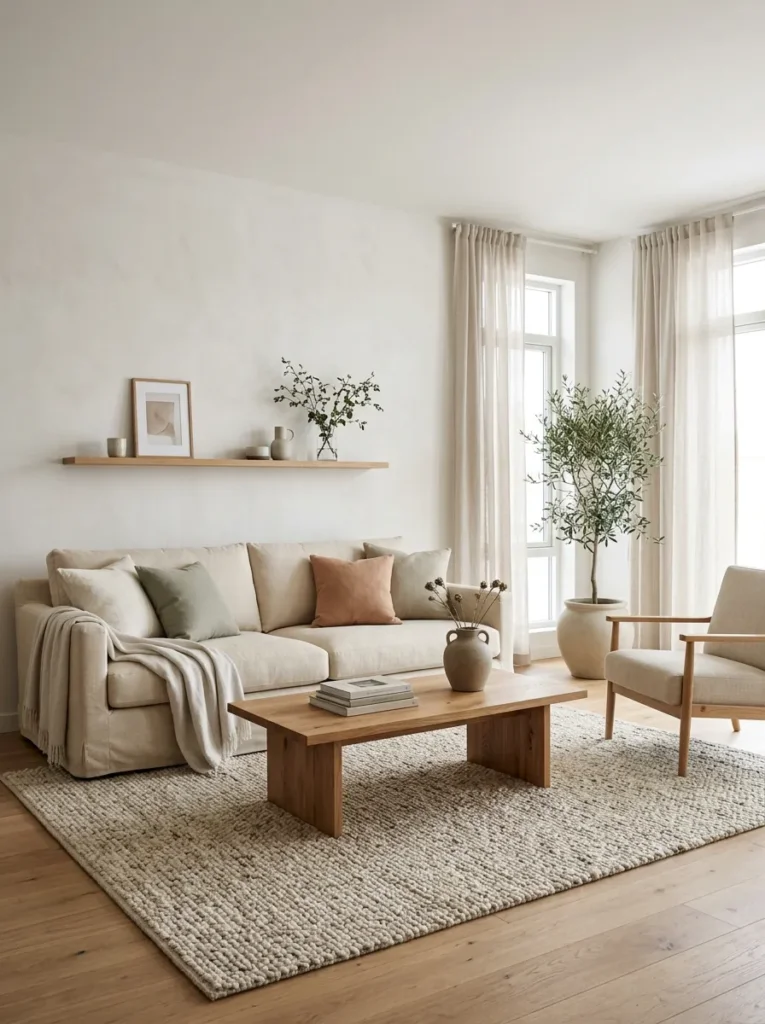
The final idea is a habit rather than a purchase. A comfortable, stylish home stays that way when it’s edited and refreshed over time.
Every few months, take a quick look at each room. Remove items that no longer serve you, rearrange a few accessories, and swap pillows or throws for the season. Rotating decor keeps a space feeling fresh without requiring a large budget. It also helps you notice what works, so future decisions become easier and more confident.
Conclusion
A well-designed home isn’t about following every trend. It’s about making choices that support the way you live. The strongest home design ideas combine a thoughtful layout, a warm color palette, comfortable furniture, layered lighting, natural textures, and storage that keeps life organized.
You don’t have to change everything at once. Pick a few ideas from this list, start with the areas you use most, and build gradually. Over time, you’ll create a home that looks great and feels even better to come home to.
Frequently Asked Questions (FAQs)
- How can I make my home look stylish without spending a lot?
Focus on high-impact, low-cost changes: repaint a room in a warmer shade, swap out lighting bulbs, add textured throws and pillows, rearrange furniture, and bring in a few plants. Secondhand and vintage pieces can also add character at a fraction of the price. Editing clutter often improves a room’s appearance more than buying anything new. - What is the best way to choose a color scheme for the whole house?
Start with one or two neutrals that you’ll use throughout, then add a supporting color and a small accent. Test paint samples on the wall and look at them at different times of day, since natural light changes how colors appear. Repeating the same few colors from room to room helps the home feel cohesive. - How do I balance comfort and style when choosing furniture?
Prioritize comfort for items you use daily, like sofas, chairs, and beds, then look for styles in your preferred design within that category. Test furniture in person when possible, and choose durable fabrics and neutral bases. You can then add style through accessories, which are easier and cheaper to change.