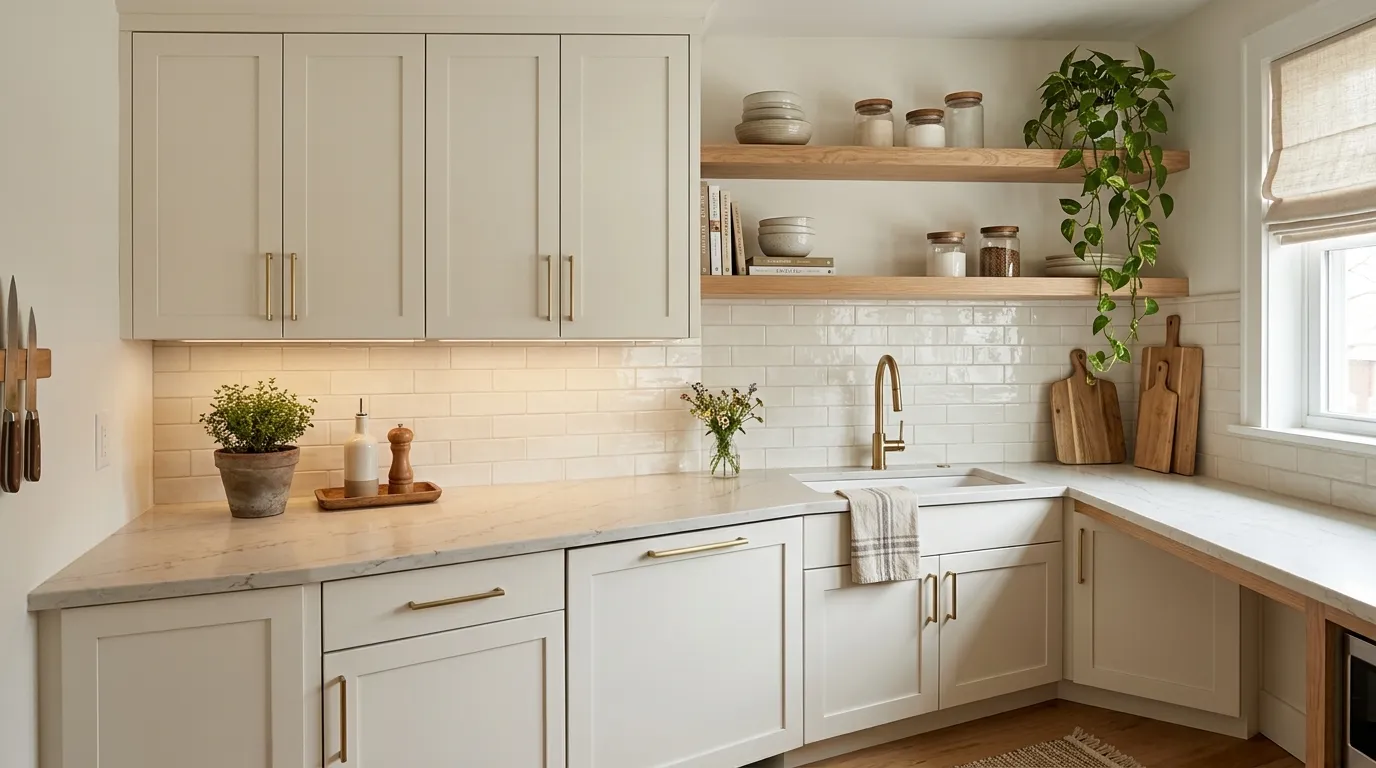
Kitchen Aesthetic Upgrades That Make Small Kitchens Shine
A small kitchen doesn’t have to feel like a compromise. With the right changes, a compact space can look polished, welcoming, and full of personality. The trick is knowing which upgrades make the biggest visual difference without eating up your budget or your counter space.
Whether you’re renting, renovating, or simply tired of a tired-looking room, a thoughtful kitchen aesthetic starts with a few smart decisions about color, light, storage, and finishing details. The ten upgrades below are practical, flexible, and easy to pin for later. Some take an afternoon, others a weekend, and most can be done without a contractor.
1. Choose a Cohesive Color Palette
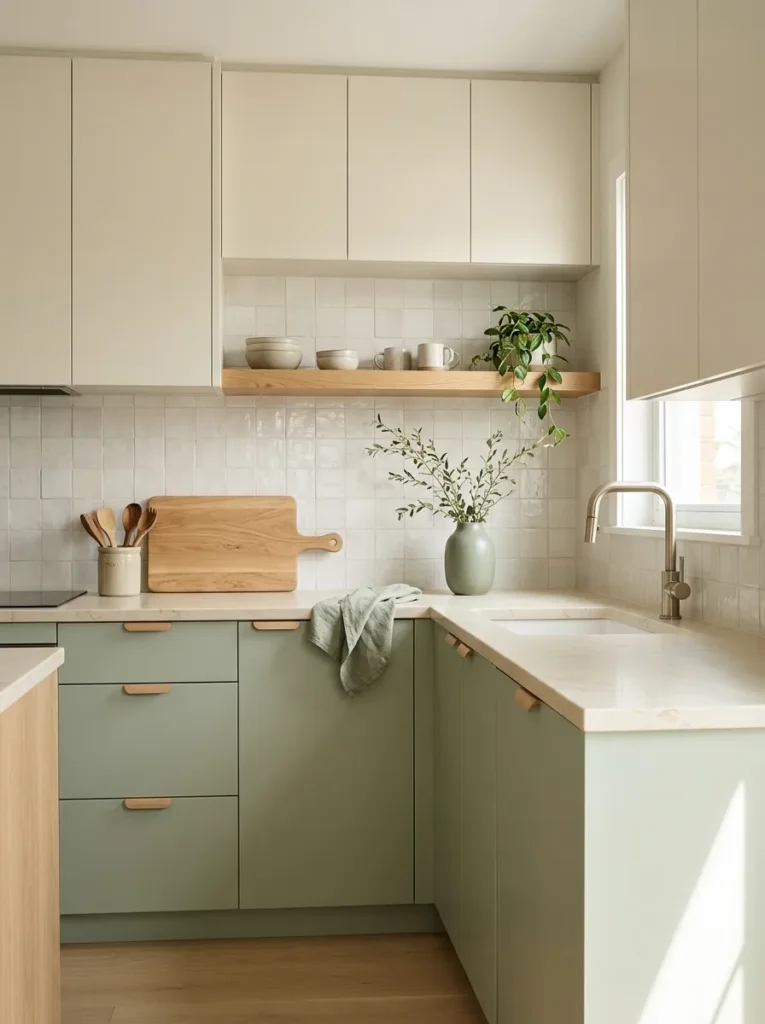
Color sets the tone for your entire kitchen aesthetic, and in a small room it matters even more. Too many competing shades chop up the space and make it feel busier than it is.
Start with a simple formula:
- A dominant light neutral for walls and cabinets, such as warm white, soft cream, or pale greige
- A secondary tone for backsplash, textiles, or open shelving
- One accent color for small details like stools, towels, or a vase
Soft greens, muted blues, and warm neutrals are popular choices because they feel fresh without overwhelming a compact room. If you love dark, dramatic colors, use them on a single feature, such as a lower cabinet run or an island, and keep the upper half of the room light.
2. Repaint or Refinish Your Cabinets

Cabinets take up the most visual space in a kitchen, so updating them is often the highest-impact change you can make. Fresh paint can transform dated wood or worn laminate without the cost of replacement.
A few tips for a lasting finish:
- Clean thoroughly with a degreaser, since kitchen cabinets collect residue.
- Sand lightly and apply a quality primer suited to your cabinet material.
- Use a durable cabinet-grade paint in a satin or semi-gloss finish for easier cleaning.
- Let each coat cure fully before reattaching doors and hardware.
If your cabinet boxes are in good shape but the doors are outdated, you can also order replacement doors in a simple shaker style. It’s a cleaner look that suits most small kitchens.
3. Swap Hardware for a Quick Style Upgrade
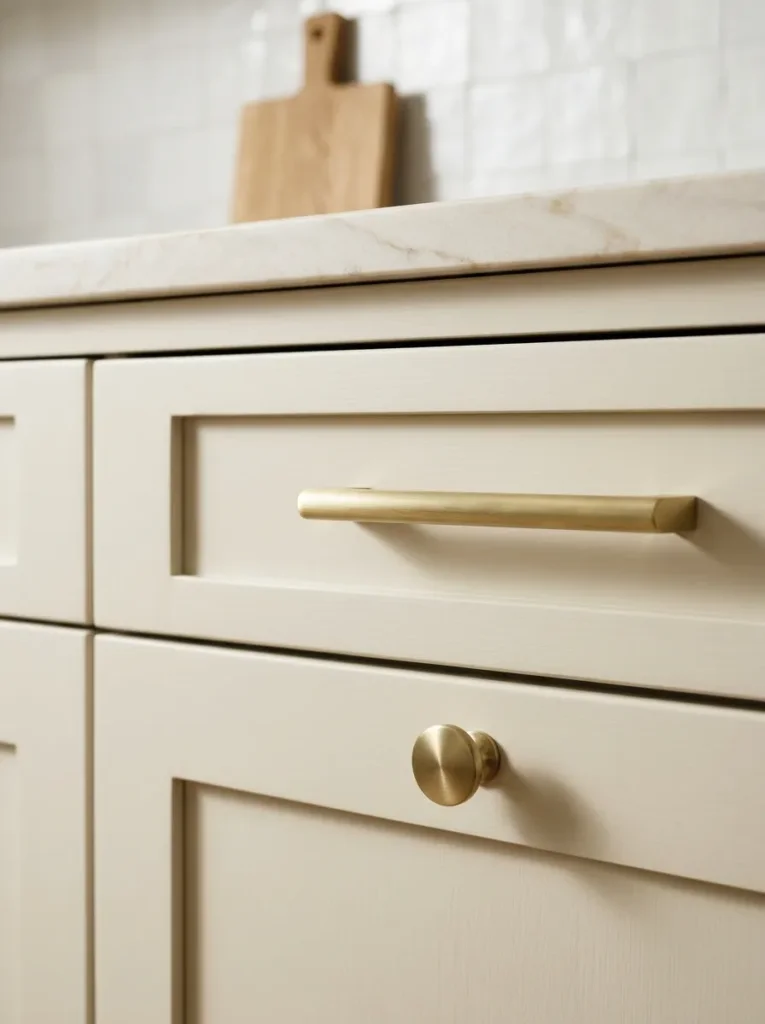
Cabinet knobs and pulls are the jewelry of a kitchen. Replacing them is one of the fastest and cheapest ways to refresh the room, and it’s usually a job that takes under an hour.
Consider these finishes:
- Matte black for a modern, graphic look
- Brushed brass or gold for warmth and a slightly classic feel
- Brushed nickel or chrome for a clean, timeless style
- Aged bronze for a traditional or farmhouse kitchen
Before you buy, measure the distance between your existing screw holes so the new pulls fit without drilling. Stick with one finish throughout, or limit yourself to two at most, so the room stays unified.
4. Add a Backsplash That Reflects Light
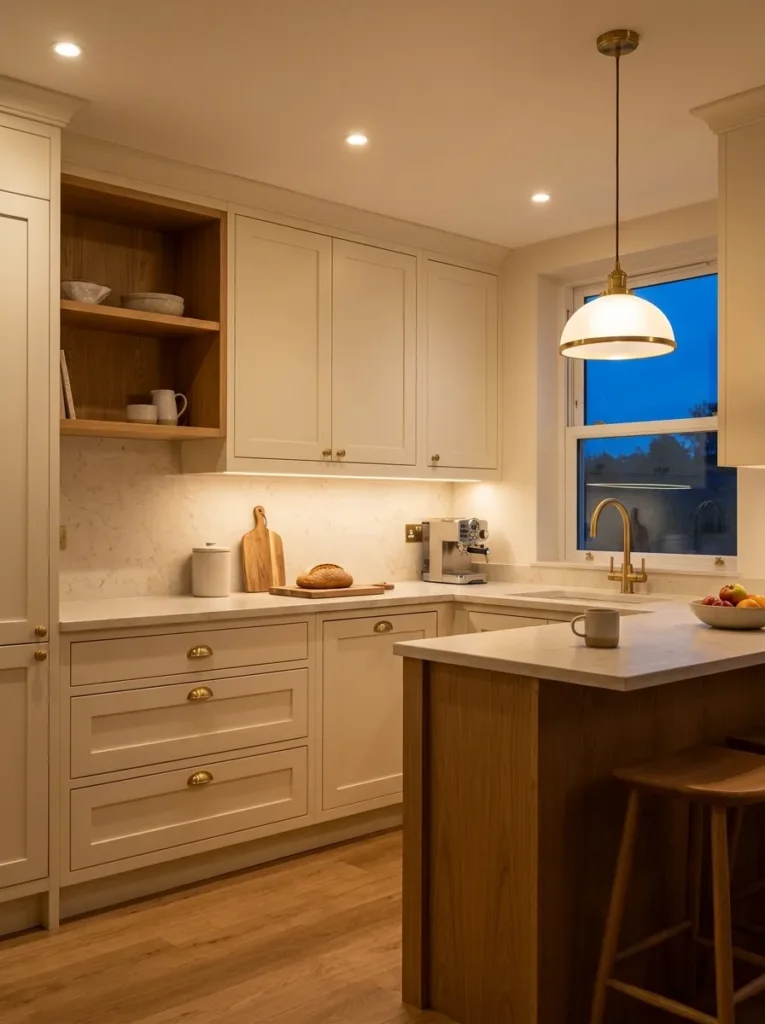
A backsplash is a small area with a big visual payoff. In a compact kitchen, it works best when it adds texture or shine without becoming visually heavy.
Good options include:
- Glossy subway tile, which reflects light and suits nearly any style
- Zellige-style or handmade-look tile for subtle variation and character
- Peel-and-stick tile for renters or anyone on a tight budget
- A continuous slab or large-format tile to reduce grout lines and create a seamless look
Light-colored grout keeps things clean and cohesive, while a contrasting grout color can add a graphic edge if you prefer something bolder. Either way, keep the pattern simple so the backsplash supports the rest of your kitchen aesthetic instead of competing with it.
5. Layer Your Lighting
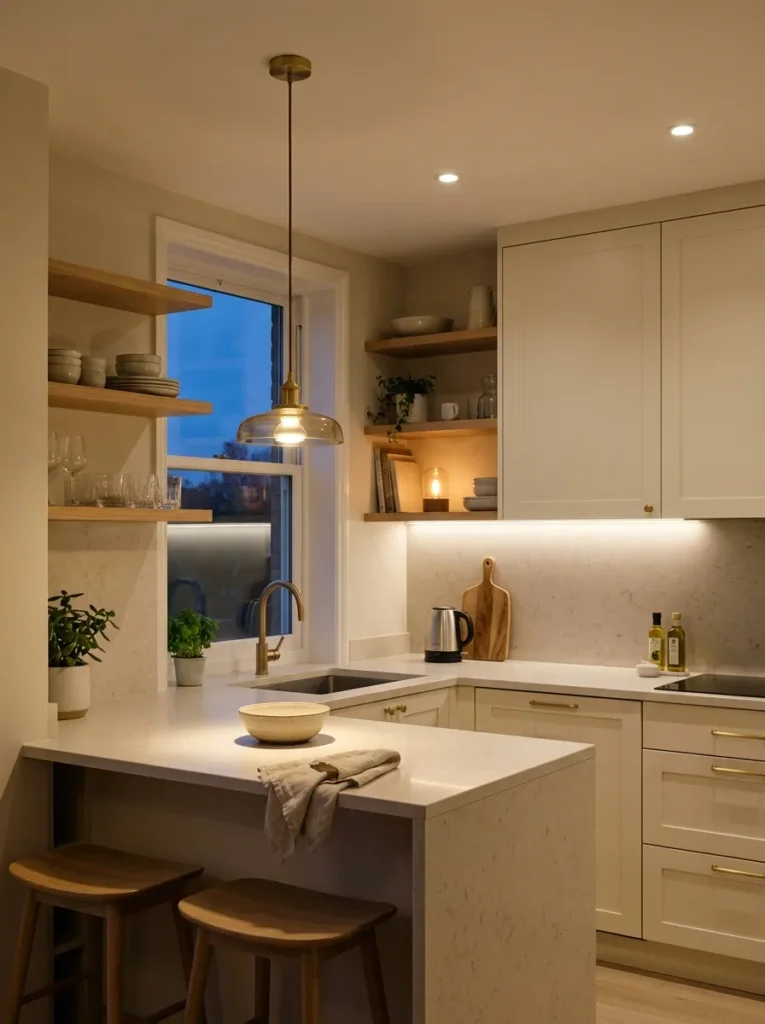
Lighting can make a small kitchen feel larger, warmer, and far more inviting. A single overhead fixture often leaves shadows on the counters, which makes the room feel cramped and harder to work in.
Aim for three layers:
- Ambient light: a flush mount or recessed lights for general brightness
- Task light: under-cabinet LED strips or bars to illuminate your workspace
- Accent light: a small pendant, wall sconce, or lamp to add warmth and character
Under-cabinet lighting is especially valuable. It brightens counters, eliminates shadows, and gives the room a finished look, even in the evening. Choose warm white bulbs, usually in the 2700K to 3000K range, for a cozy glow that flatters wood tones and food alike.
6. Use Open Shelving Thoughtfully
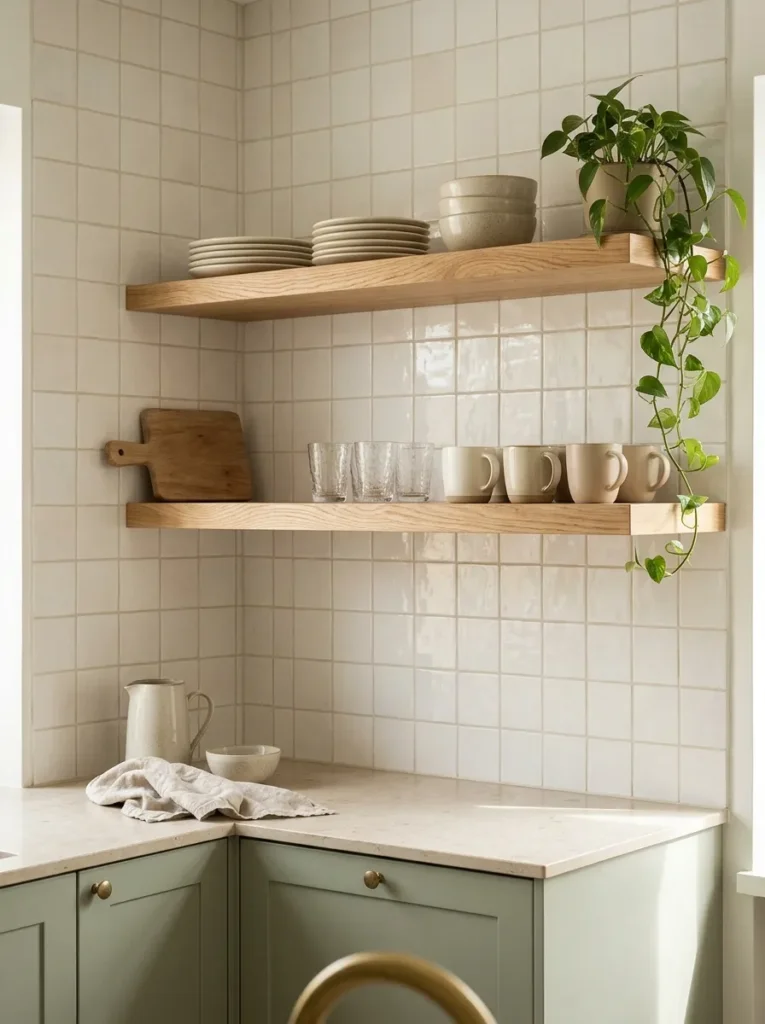
Open shelves can make a small kitchen feel airy by replacing heavy upper cabinets with lighter lines. They also give you a place to show off attractive items. But they only work when styled with care.
Keep these guidelines in mind:
- Limit shelving to one wall or a short section, rather than replacing every cabinet.
- Display everyday items you actually use, such as matching dishes, glasses, and cutting boards.
- Stick to a limited color range so the shelves look curated.
- Leave some empty space so the arrangement can breathe.
If you cook often, open shelves will need regular dusting and wiping, so consider keeping a few closed cabinets nearby for items that tend to get greasy.
7. Upgrade Your Countertops and Keep Them Clear
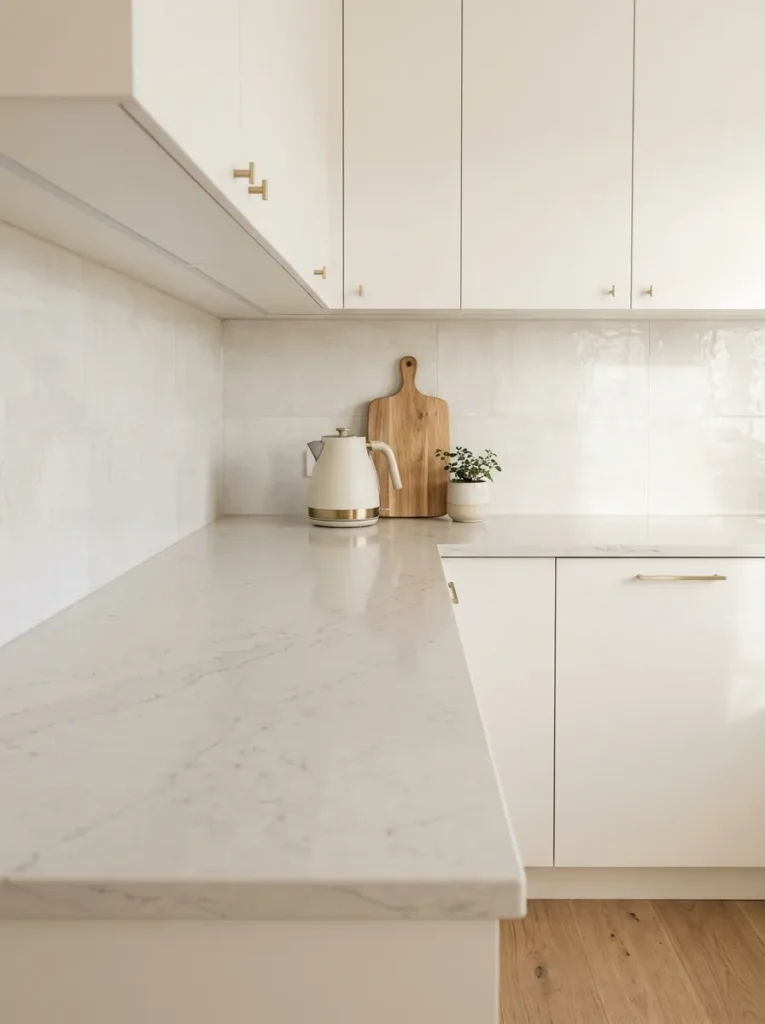
Counters set the visual foundation of the room. If a full replacement isn’t in the budget, there are more affordable ways to improve their look.
You could try:
- Replacing laminate with butcher block for a warm, natural feel
- Using contact paper or counter-refinishing kits as a temporary or budget-friendly option
- Installing a quartz or solid-surface countertop if you’re planning a bigger renovation
Whatever material you choose, the real secret in a small kitchen is keeping surfaces mostly clear. Store appliances you rarely use, and keep only a few daily essentials, like a kettle, a cutting board, and one decorative item, on display. Clear counters instantly make a compact kitchen feel larger and more organized.
8. Update the Sink and Faucet
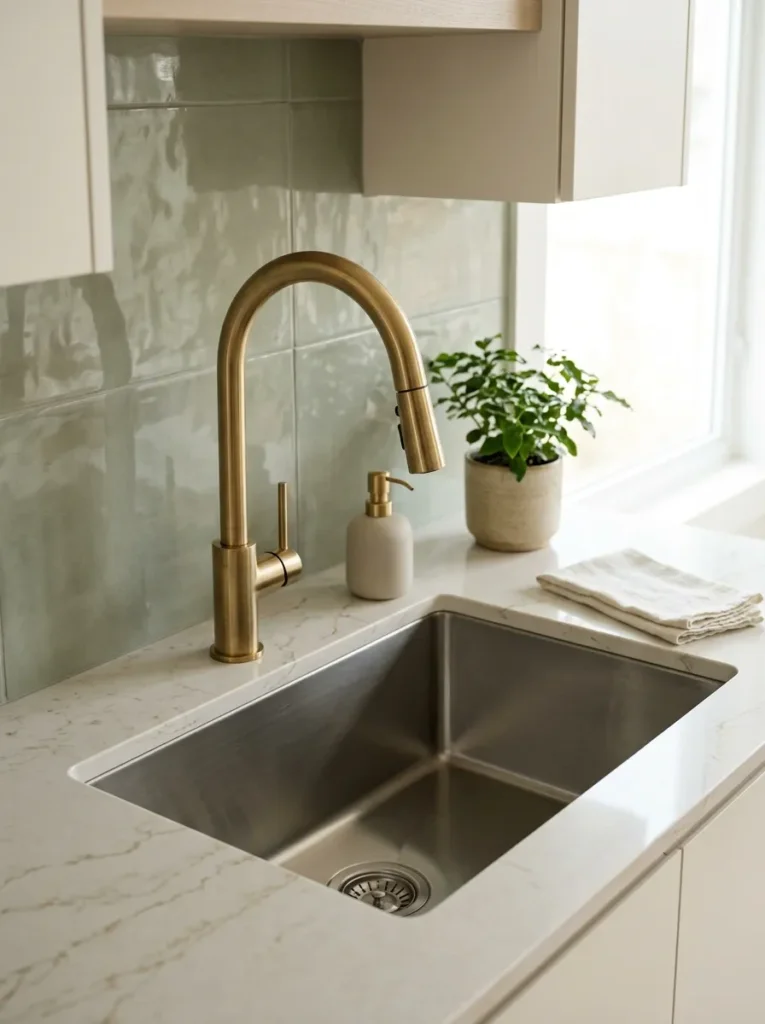
A new faucet can modernize the whole kitchen without a major project. It’s one of the most visible fixtures in the room, so small improvements go a long way.
Look for:
- A high-arc or pull-down faucet for easier use and a sleek profile
- A finish that matches your cabinet hardware for visual consistency
- A single-bowl sink if you’re replacing it, since it often provides more usable space than two cramped basins
Even if the sink itself stays the same, a thorough scrub and a new faucet can make the area look brand new.
9. Introduce Texture With Textiles and Natural Materials
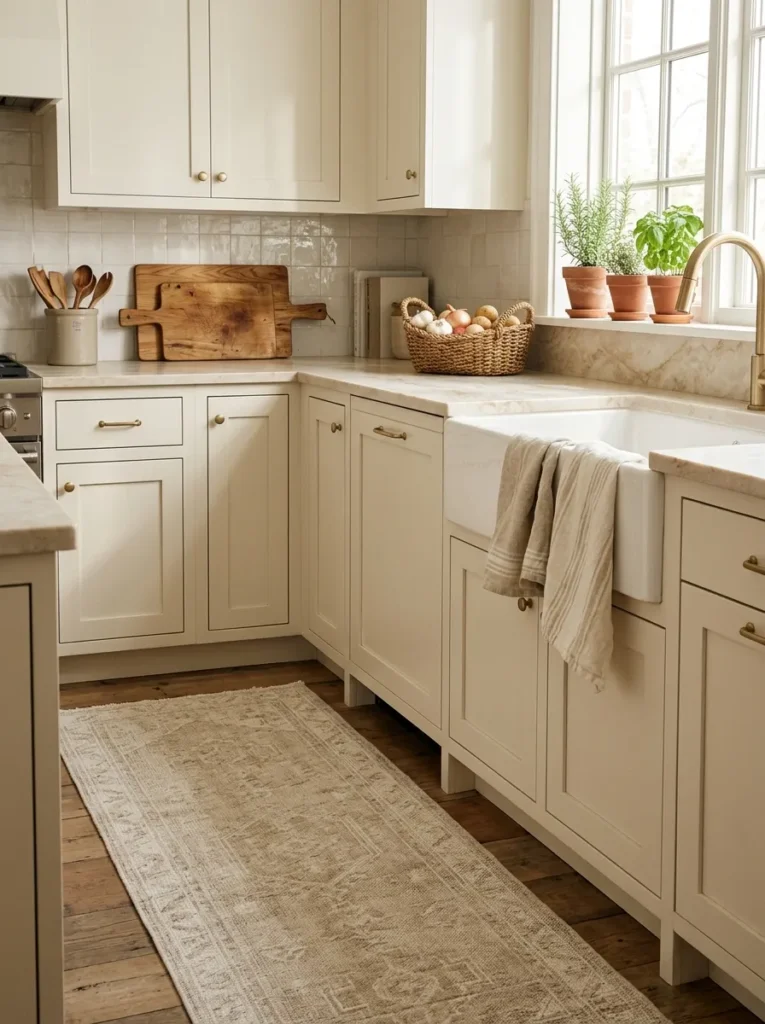
Small kitchens can feel flat or sterile when everything is hard and glossy. Texture adds warmth and depth without taking up much room.
Easy ways to add it:
- A runner rug in a washable fabric, especially in front of the sink or stove
- Linen or cotton towels in colors from your palette
- Wooden cutting boards, bowls, or trays displayed on the counter
- Woven baskets for storing produce, napkins, or cooking tools
- Small herb pots on the windowsill for greenery and scent
A mix of materials, such as wood, ceramic, metal, and fabric, helps the room feel layered and lived-in rather than staged.
10. Style the Finishing Touches
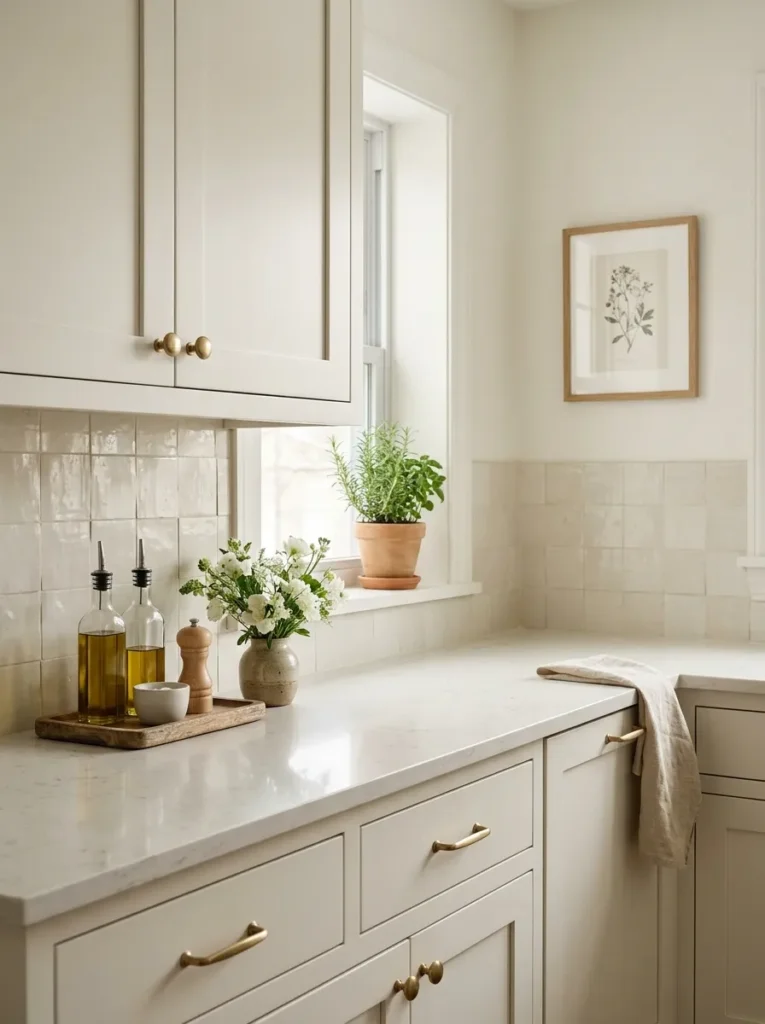
Once the main upgrades are done, a few well-chosen accents pull everything together. The goal is a space that feels intentional, not cluttered.
Try these ideas:
- Hang a piece of art or a small framed print on an empty wall
- Use a tray to group frequently used items like oils, salt, and pepper
- Add fresh flowers or greenery for a natural pop of color
- Switch to matching containers for staples such as flour, sugar, and pasta
- Hang a small mirror if the kitchen has a spot that can reflect natural light
Choose a few items you genuinely like rather than filling every surface. In a small kitchen, a handful of well-placed details always looks better than many scattered ones.
Planning Your Upgrades on a Budget
You don’t need to do everything at once, and you don’t need to spend a lot. If you’re deciding where to start, this order tends to deliver the most visible results for the least effort:
- Clear and clean the counters
- Replace cabinet hardware
- Add under-cabinet lighting
- Paint walls or cabinets
- Update the faucet and backsplash
- Layer in textiles and styling touches
Working in stages lets you adjust as you go, and it keeps the project from feeling overwhelming. It also helps you see how each change affects the overall kitchen aesthetic before committing to the next one.
Conclusion
A small kitchen can look stylish, bright, and welcoming with the right approach. By focusing on a cohesive color palette, updated cabinets and hardware, reflective surfaces, layered lighting, and a few thoughtful finishing touches, you can build a kitchen aesthetic that feels personal and polished at any size.
Start with the changes that fit your time and budget, then build from there. Each small upgrade adds up, and before long, your compact kitchen will become one of the most enjoyable rooms in your home.
Frequently Asked Questions (FAQs)
- What is the easiest way to improve my kitchen aesthetic on a budget?
Start with low-cost changes that have a visible impact: clear off the counters, replace cabinet hardware, add stick-on under-cabinet lighting, and bring in a few textiles or plants. Painting the walls or cabinets in a lighter shade also makes a big difference for relatively little money. - What colors work best for small kitchens?
Light, warm neutrals such as white, cream, and soft gray tend to make a small kitchen feel brighter and more open. Pale greens and soft blues also work well. If you prefer bold colors, use them in small doses, like a painted island, stools, or accessories, so the room doesn’t feel closed in. - Are open shelves a good idea for a small kitchen?
They can be, if used selectively. Open shelves create an airy look and give you a place to display favorite items, but they require tidy styling and regular cleaning. A good compromise is to replace just one section of upper cabinets with shelves and keep the rest closed for everyday storage.